
Before You Visit a US National Park: An Accessibility and Comfort Checklist for Older Visitors
Use this checklist to verify trail surfaces, shuttle availability, medical facilities, visitor centre amenities, and entrance pass options before you arrive.
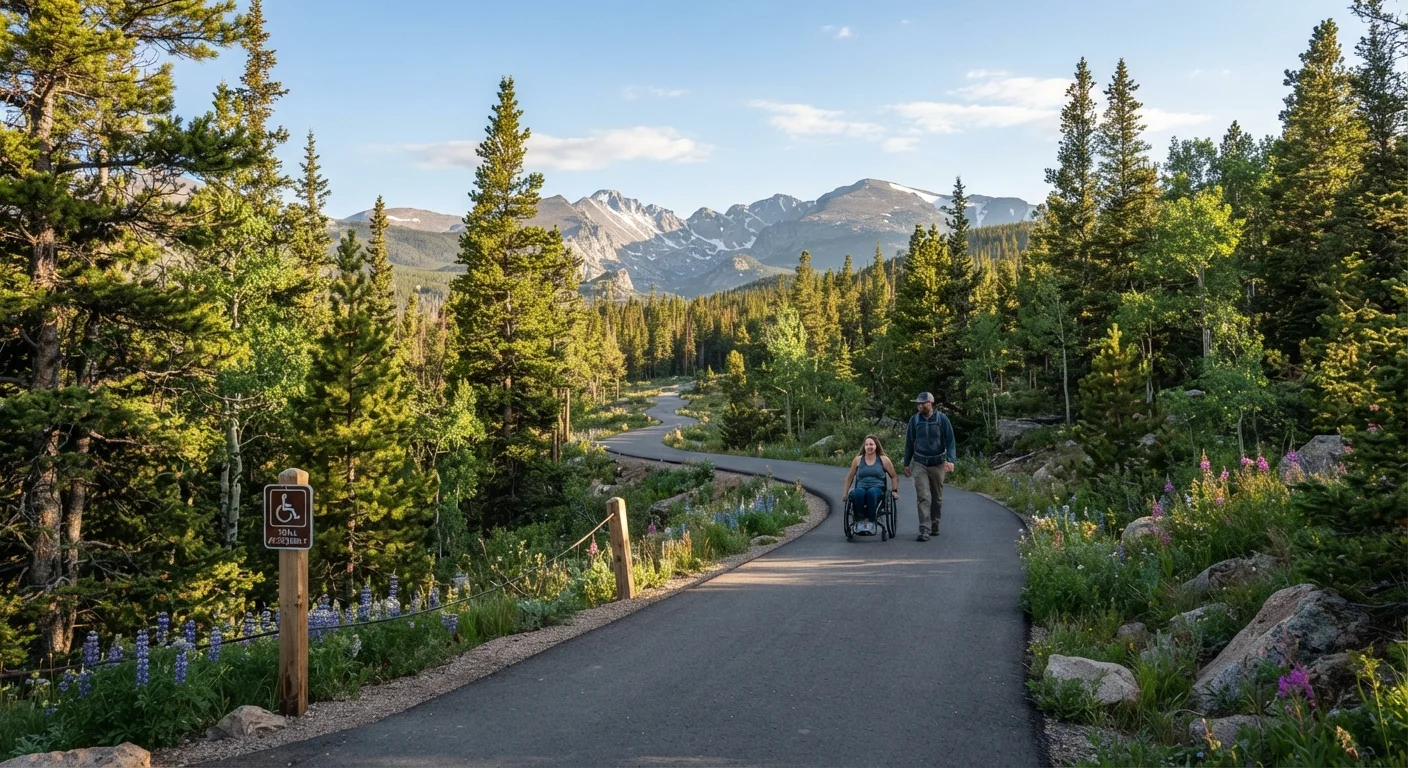
Photo: MyUrbanEscapes.net | Small Escapes. Big Experiences. editorial
—— In This Article
Key Takeaways
- America the Beautiful Access Pass waives entrance fees for visitors with permanent disabilities.
- Trail surface type and grade vary widely — confirm paved, compacted, or boardwalk options before arriving.
- Most large parks run free accessible shuttle systems that reduce walking distances significantly.
- Visitor centers serve as central hubs for ranger assistance, restrooms, and first-aid resources.
- Cell coverage is limited or absent in many parks — download offline maps and emergency contacts in advance.
- Senior visitors with health considerations should locate the nearest medical facility before departure.
Why a Pre-Visit Checklist Matters for National Park Trips
US national parks range from the relatively flat and manicured pathways of Acadia to the high-altitude, rugged terrain of Rocky Mountain National Park. For older visitors, the difference between a rewarding day and an exhausting ordeal often comes down to how thoroughly you've verified conditions before you leave home. Paved parking lots can sit half a mile from a trailhead. Shuttle schedules run seasonally. Cell service — and therefore the ability to call for help — disappears in many backcountry zones.
This checklist is designed to be worked through before you book lodging and again in the week leading up to your visit. It covers entrance passes, physical terrain, transportation, facilities, and health logistics. For those also planning travel beyond the parks, our guide to international destinations offers comparable planning frameworks for overseas trips.
Conditions Change — Verify Close to Your Arrival Date
Trail closures, shuttle cancellations, and facility outages can occur with little advance notice. Check the official NPS alerts page for your park within 48 hours of your visit. Do not rely solely on third-party travel sites, which may reflect outdated information. Seasonal weather — including afternoon thunderstorms at high-elevation parks — can alter safe visiting windows significantly.
Tools and Resources You'll Need
Gather these before you begin working through the checklist items below.
NPS.gov park-specific accessibility page
Provides official trail surface descriptions, accessible facility locations, and shuttle route maps for each park.
America the Beautiful Access Pass application
Free lifetime entrance pass for US citizens or permanent residents with permanent disabilities; available at park entrances or by mail.
America the Beautiful Senior Pass
Annual or lifetime entrance pass for US residents aged 62 and older, covering entrance fees at federal recreation sites.
Offline mapping app (e.g., downloaded NPS map or AllTrails offline)
Provides navigation and trail information when cell service is unavailable inside the park.
Park-specific accessibility guide PDF
Many parks publish downloadable accessibility brochures with detailed terrain ratings — download before you lose connectivity.
Travel insurance policy documents
Verify coverage for medical evacuation, especially relevant for remote parks with limited emergency services.
The Full Accessibility and Comfort Checklist
Work through each group systematically. Items marked must are non-negotiable for a safe, comfortable visit. Should items are strongly recommended, and nice-to-have items can meaningfully improve the experience if time allows.
Entrance Passes and Fees
Trail Surfaces and Terrain
Transportation and Parking
Visitor Center and Facilities
Medical and Emergency Preparedness
Connectivity and Communication
High Altitude Requires Medical Consideration
Parks such as Rocky Mountain, Grand Teton, and Crater Lake sit at elevations where reduced oxygen can cause altitude-related symptoms including shortness of breath, fatigue, and headache — even in visitors who are otherwise healthy. If you have cardiovascular, pulmonary, or other chronic conditions, consult your healthcare provider before planning a high-altitude park visit. This is general informational guidance, not medical advice tailored to your situation.
How This Checklist Fits Into Your Broader Travel Planning
Accessible park planning shares a lot of DNA with accessibility prep for other trip types. If you're considering a multi-park road trip by RV, see our detailed route overview in The National Parks RV Circuit Every Senior Traveler Should Know, which covers campground hookups, dump station locations, and accessible site availability across a connected park route.
For urban day trips that bookend a park visit — Washington, D.C. and San Antonio are both popular park-adjacent destinations — our guides on navigating the Smithsonian museums with mobility considerations and San Antonio's River Walk accessibility apply the same verification-first approach to built environments. If you're also evaluating a cruise or rental accommodation as part of a longer itinerary, the Health and Safety planning hub consolidates guidance relevant to older travelers across all trip formats.
This article is for general informational purposes only. Consult a qualified healthcare professional before traveling if you have health conditions that may be affected by altitude, heat, exertion, or limited access to medical care.

Top Destinations Editorial Team
Top Destinations Editorial Team is the collective byline for our editorial team and contributor network. Articles published under this byline or an editorial pen name are researched, written, and reviewed according to our editorial standards for clarity, consistency, and independence before publication.
View author profile