
Jet Lag and Older Adults: How Age Changes Recovery and What Helps
How jet lag affects seniors differently from younger travelers, and the sleep, light, and timing strategies that can ease the adjustment period.
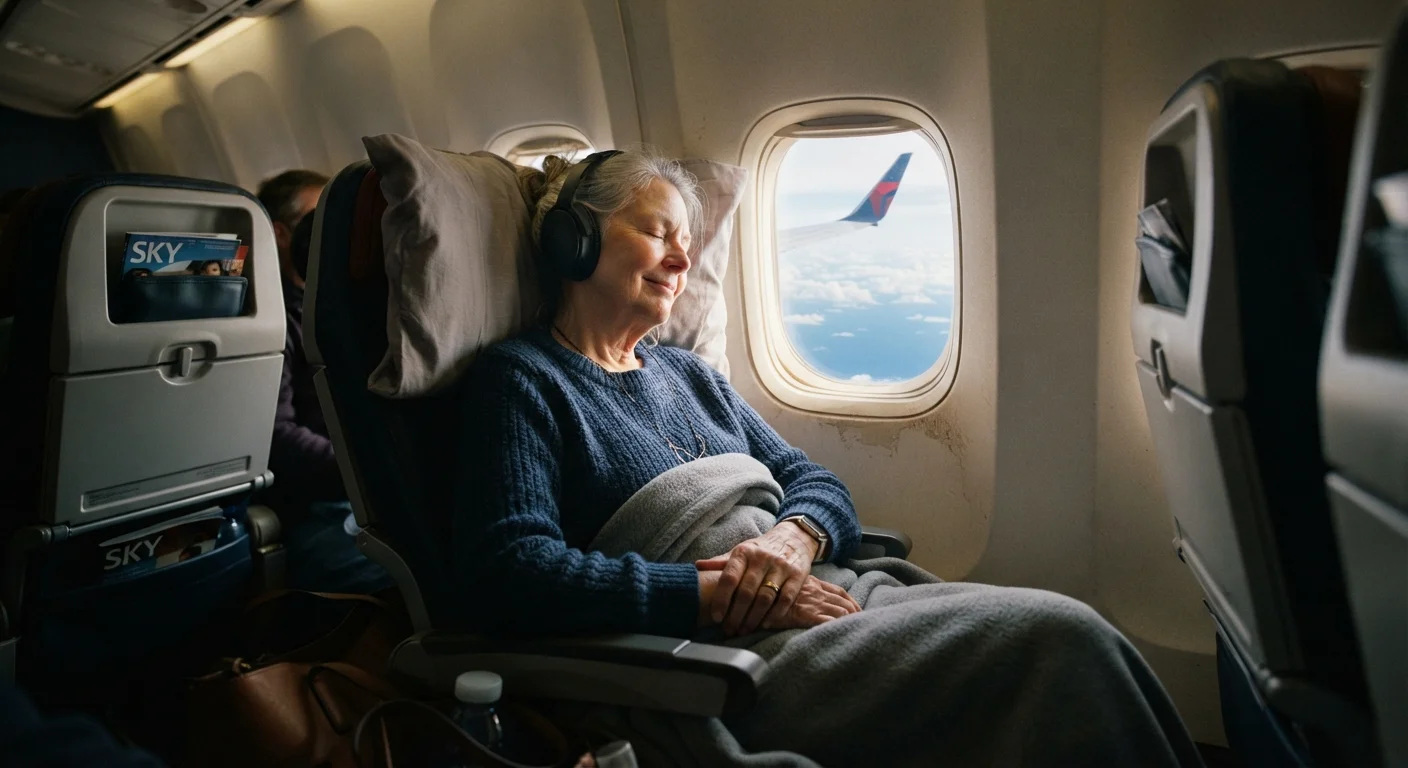
Photo: MyUrbanEscapes.net | Small Escapes. Big Experiences. editorial
—— In This Article
Key Takeaways
- Older adults typically take longer to recover from jet lag than younger travelers due to age-related changes in circadian rhythm flexibility.
- Eastward travel generally causes more difficulty than westward travel for most people, including seniors.
- Strategic light exposure is one of the most evidence-supported tools for helping the body clock reset.
- Staying well-hydrated and avoiding alcohol and heavy meals on travel days can reduce symptom severity.
- Consulting a doctor before using any sleep aids — including melatonin — is especially important for older adults on existing medications.
Why Age Makes Jet Lag More Difficult
Crossing several time zones challenges everyone's sleep cycle, but age introduces factors that make recovery genuinely harder. The circadian rhythm — the internal biological clock that tells your body when to sleep, eat, and feel alert — becomes less flexible over time. Older adults often already experience changes in sleep architecture: lighter sleep, earlier waking, and reduced deep sleep. Jet lag adds an additional disruption on top of an already-altered baseline.
Melatonin, the hormone that signals nighttime to the body, is produced in smaller amounts as people age. Since melatonin plays a central role in circadian adjustment, lower natural levels can slow the resynchronization process after a long flight. This is part of why a traveler in their 70s may still feel off-kilter five days into a trip while a younger companion has fully adjusted.
Eastward travel — flying from the US to Europe, for example — is widely considered more disruptive than westward travel. Moving east requires your internal clock to advance, which is physiologically more demanding than the delay required for westward journeys. Seniors planning transatlantic or Asia-Pacific routes may want to factor this into their pre-trip health preparation well in advance.
Not All Time Zone Crossings Are Equal
A two-hour time change — such as flying from New York to Denver — rarely causes significant jet lag because the body can usually adapt within a day. Jet lag becomes more disruptive when three or more time zones are crossed quickly. Seniors planning trips within a single continent may find the adjustment relatively minor compared to transatlantic or transpacific routes.
Light Exposure: The Most Powerful Reset Tool
Natural light is the strongest external signal your circadian system receives. Strategic exposure — or deliberate avoidance — of bright light at the right times can meaningfully accelerate adjustment to a new time zone.
For eastward travel, morning light at your destination helps push the body clock forward. Getting outside for a walk shortly after a morning arrival can reinforce the adjustment. For westward travel, light exposure in the late afternoon or evening at the destination is more helpful. Bright light in the wrong window, however, can delay adjustment rather than assist it — so the timing matters as much as the exposure itself.
Indoors, try to match lighting intensity to local time. Keep the environment brightly lit when you want to stay awake and dim it well before your target bedtime. This principle also applies on the plane: closing the window shade during the destination's nighttime hours and keeping it open during daytime hours can begin the adjustment mid-flight.
~1 day
Per time zone crossed to recover
A commonly cited general guideline suggests roughly one day of adjustment per time zone, though individual variation — and age — can extend this window considerably.
50%+
Of older adults report chronic sleep changes
Research consistently shows that more than half of adults over 65 report some form of sleep difficulty, creating a more challenging baseline before jet lag is layered on top.
Eastward
Direction typically harder to recover from
Sleep researchers generally agree that eastward travel — which requires advancing the internal clock — is more disruptive than westward travel for most people.
Sleep, Hydration, and Timing Strategies That Help
Beyond light management, a handful of practical habits can reduce how severely jet lag affects you.
- Set your watch to destination time at boarding. Mentally anchoring to the new time zone helps you make intentional decisions about when to sleep and eat during the flight.
- Resist the urge to nap freely on arrival. If you arrive in the morning or midday, staying awake until local bedtime — even if difficult — tends to speed adjustment. A short nap of 20 to 30 minutes in the early afternoon is a reasonable compromise if fatigue becomes overwhelming.
- Hydrate consistently. Cabin air is notably dry, and dehydration worsens fatigue, headaches, and cognitive fog — all symptoms that overlap with jet lag. Water is preferable to alcohol and heavily caffeinated beverages, both of which can fragment sleep.
- Time meals to local schedules. Eating in sync with local mealtimes provides secondary time cues that support circadian adjustment alongside light exposure.
Seniors who take regular prescription medications should speak with their doctor before travel about how crossing time zones affects dosing schedules. This is particularly relevant for medications taken at precise intervals, such as insulin. The common oversights that derail trips often include failing to plan for time-sensitive medications.
Pre-Adjust Your Schedule Before You Fly
In the three to five days before a long-haul eastward trip, try shifting your bedtime and wake time 30 minutes earlier each day. This gentle nudge gives your circadian system a head start before you board the plane. It requires minimal effort but can meaningfully reduce the severity of your first few days at the destination.
When to Talk to Your Doctor Before a Long-Haul Trip
Jet lag is generally a temporary inconvenience, not a medical emergency. But for older adults managing chronic conditions, the sleep disruption and fatigue it causes can have a wider ripple effect — affecting blood pressure regulation, blood sugar management, immune function, and mood.
Before any trip involving three or more time zones, it's worth a brief conversation with your physician about whether your existing health conditions or medications require any adjustments. This is especially true if you have heart disease, diabetes, or a sleep disorder such as sleep apnea.
Over-the-counter sleep aids, including melatonin, are widely marketed for jet lag, but their safety profile for older adults is more nuanced than for younger users. Melatonin can interact with anticoagulants, diabetes medications, and immunosuppressants. Prescription sleep aids carry risks of next-day sedation and falls — a serious concern for any senior traveler. General information about these options is readily available, but personal guidance from a healthcare provider is essential before using them.
For a broader look at how the aging body responds to travel stressors beyond sleep, the effects of climate extremes on older travelers article covers heat, altitude, and cold in similar depth.
This article provides general health information for educational purposes only and is not a substitute for personalized medical advice. Always consult a qualified healthcare professional before making changes to your health routine, medication schedule, or travel plans related to a medical condition.
Frequently Asked Questions

Senior Trip Planning Editorial Team
Senior Trip Planning Editorial Team is the collective byline for our editorial team and contributor network. Articles published under this byline or an editorial pen name are researched, written, and reviewed according to our editorial standards for clarity, consistency, and independence before publication.
View author profile