
Snowbird RV Routes: Mapping a Warm-Weather Winter for Senior Travelers
Understand the classic snowbird routes from the Midwest and Northeast to the Sun Belt, including key stops, distances, and amenity benchmarks.
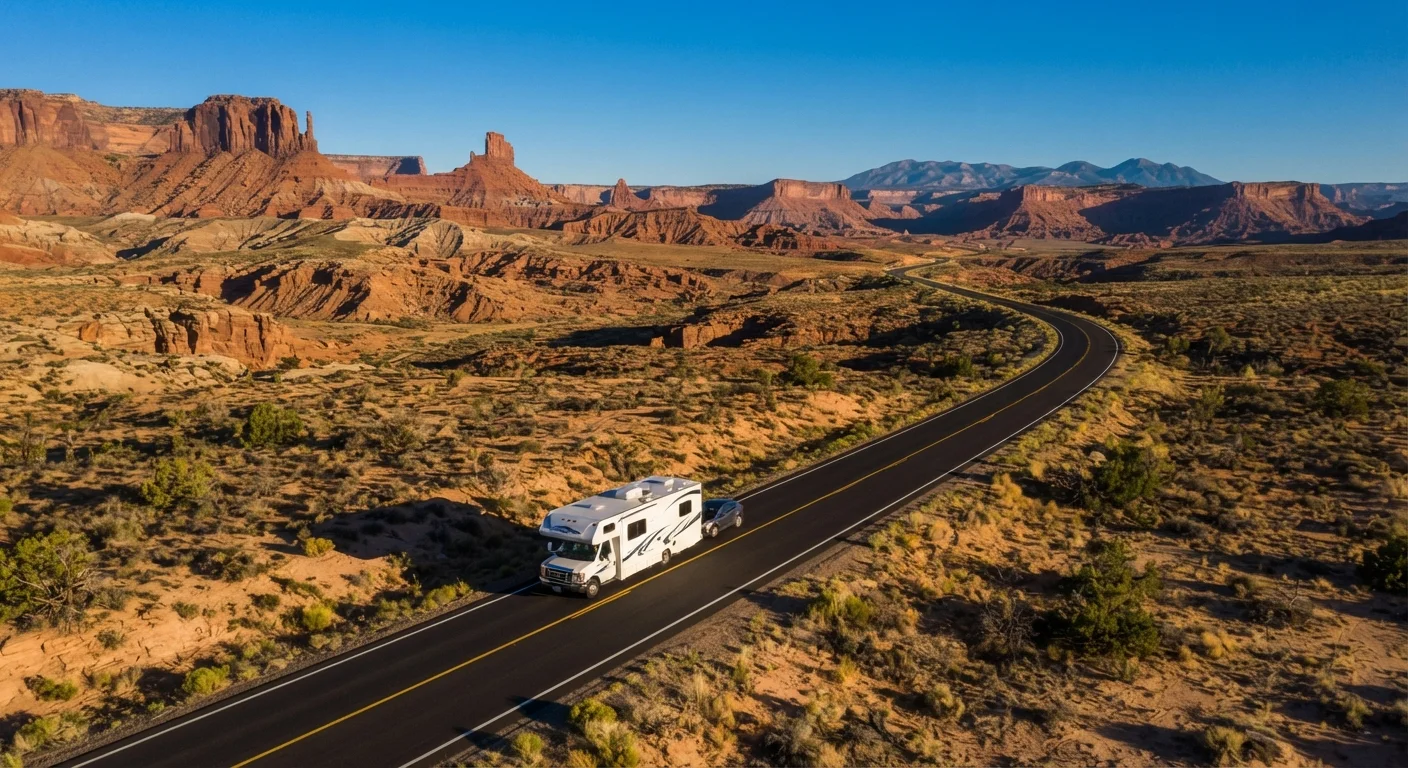
Photo: MyUrbanEscapes.net | Small Escapes. Big Experiences. editorial
—— In This Article
Key Takeaways
- Two primary snowbird corridors — the Southeast and the Desert Southwest — serve most northern RVers heading south for winter.
- Breaking drives into 250–350 mile daily segments reduces fatigue and allows time to explore along the way.
- Campground amenity benchmarks like full hookups, level sites, and on-site laundry matter more for extended winter stays than short trips.
- Arriving at popular Sun Belt destinations before late November improves site availability and pricing options.
- Medical facility access and pharmacy proximity should factor into every overnight stop selection for senior travelers.
Why Snowbird RV Routes Require Dedicated Planning
A snowbird RV trip is structurally different from a vacation road trip. Rather than a loop returning home in days, it typically involves a sustained one-way drive of 1,000 to 2,500 miles, a winter stay of six to twelve weeks, and a return journey in spring. That extended timeline amplifies the importance of every planning decision — from route selection to campground quality to healthcare access.
The good news is that these routes are well-traveled. Thousands of senior RVers make the seasonal migration each year, which means infrastructure — campgrounds, RV service centers, senior-friendly communities — has grown to accommodate the demand. Understanding the structure of the two primary corridors, and what to look for along each, gives you a meaningful head start. For a broader orientation to warm-weather travel planning, the complete starting point for warm-weather travel covers every essential consideration from health prep to arrival logistics.
Stage Your Departure Date Strategically
Leaving your home state in mid-October to early November — before the peak snowbird rush — typically means less competition for prime campsite reservations and more flexible route options. Many popular Arizona and Florida parks begin filling by Thanksgiving. Planning even two to three weeks earlier can meaningfully expand your choices.
Tools, Preparation, and What to Bring to the Planning Process
Effective snowbird route planning happens at the table before you ever turn the key. Gather your tools and work through prerequisites before committing to dates or reservations.
What you will need
RV-specific GPS or routing app
Calculates routes that account for RV height, weight, and length restrictions — avoiding low bridges and weight-limited roads.
Physical road atlas (RV edition)
Serves as a reliable backup navigation tool in areas with limited cell coverage, particularly through rural corridors.
Campground directory or membership database
Helps identify and pre-screen campgrounds along the route for hookup availability, accessibility, and amenities.
Weather and road condition apps
Provides real-time alerts for ice, wind, and pass closures along mountain or high-desert segments of the route.
Vehicle maintenance checklist
Ensures tires, brakes, fluids, roof seals, and systems are verified before a multi-week drive.
Mountain Pass Segments Carry Seasonal Risk
Portions of I-40 through New Mexico and Arizona, and sections of I-10 near El Paso, can experience sudden winter weather including ice, high crosswinds, and reduced visibility — particularly in October and November. Check road condition reports from your state DOT and the National Weather Service before each mountain or high-desert driving day, and be willing to delay a segment if conditions are uncertain.
Step-by-Step: Mapping Your Snowbird Route
Follow these steps in sequence to build a route plan that balances driving comfort, campground quality, and logistical confidence for a winter season in the Sun Belt.
Choose Your Primary Corridor: Southeast or Desert Southwest
The first planning decision is choosing which major snowbird corridor matches your destination preference. The two dominant routes are:
- Southeast corridor: From the Midwest and Northeast via I-75, I-77, or I-95 down through the Carolinas, Georgia, and into Florida's Gulf or Atlantic coasts.
- Desert Southwest corridor: From the upper Midwest and Great Plains via I-40 or I-10 through New Mexico, Arizona, and into Southern California's Coachella Valley or the Yuma area.
Your corridor choice should reflect both your destination preference and your medical or mobility needs. Florida's Gulf Coast towns offer dense healthcare infrastructure and flat terrain; the Arizona corridor delivers dry desert air and wide-open campgrounds. See why warm-weather destinations appeal to senior travelers for a deeper look at what draws seniors to each climate type.
Map Your Route in 250–350 Mile Daily Driving Segments
Long driving days are fatiguing for anyone, and especially so when managing an RV through unfamiliar territory. Plan each driving segment to fall within 250–350 miles, which typically translates to four to six hours behind the wheel with breaks. Shorter days reduce stress and leave time to explore rest stops, state parks, or roadside attractions along the way.
Mark each overnight stop on your route map before you depart, but build in one or two flexible buffer nights where you can extend a stay if weather or fatigue dictates. Avoid scheduling hard arrival deadlines during the drive portion of your trip.
Identify Campgrounds That Meet Senior-Friendly Amenity Benchmarks
Not all campgrounds along snowbird corridors are equally suited for extended winter stays or senior travelers. When evaluating overnight stops and your winter base, look for these amenity benchmarks:
- Full hookups (water, electric, sewer) — reduces daily tasks and conserves your freshwater tank
- Level, paved, or compacted sites — reduces leveling effort and tripping hazards
- On-site laundry facilities — essential for stays of two weeks or longer
- Accessible restrooms and shower facilities — particularly if your RV bathroom is compact
- Proximity to grocery stores and pharmacies — within 10–15 miles ideally
- Cell signal or Wi-Fi — for staying connected with family and telehealth providers
For a broader overview of Desert Southwest campground specifics, see Desert Southwest RV destinations.
Plan Medical Facility Access at Each Overnight Stop
For senior travelers managing ongoing health conditions, proximity to medical facilities is a non-negotiable route planning factor — not an afterthought. At each planned overnight stop, note the nearest hospital or urgent care center and confirm it is within a reasonable driving distance (generally under 30 miles). For your winter base destination, identify a local primary care provider or urgent care clinic that accepts walk-in patients.
Carry a printed summary of your medical history, current medications, and emergency contacts. A legible, up-to-date medication list can significantly speed care in an unfamiliar location.
Book Key Reservations and Confirm Departure Logistics
Once your route segments are mapped and campgrounds identified, begin reservations from your winter base camp backward toward your departure point. Prioritize the highest-demand stops — your primary winter destination and any known popular waypoints — before filling in the rest.
Before departure day, confirm your RV mechanical checklist is complete: tires (including spares), brake condition, roof and slide seals, propane supply, and generator function. Review the warm-weather senior trip planning checklist to make sure no pre-departure task is overlooked.
Verify Campground Conditions Before Departure
Campground availability, hookup status, and road conditions can change seasonally or without notice. Always call ahead or check official campground websites before committing to an overnight stop. Do not rely solely on third-party apps for route-critical information, especially in remote desert or mountain corridor segments.
For a comprehensive reference on destination climates and seasonal patterns as you finalize your corridor choice, see warm-weather destinations at a glance. And if this is your first warm-weather extended trip, the senior traveler's complete guide to warm-weather escapes provides the full picture from packing to daily pacing.

Rv Travel Editorial Team
RV Travel Editorial Team is the collective byline for our editorial team and contributor network. Articles published under this byline or an editorial pen name are researched, written, and reviewed according to our editorial standards for clarity, consistency, and independence before publication.
View author profile