
The Senior Traveler's Complete Guide to Warm-Weather Escapes
Everything seniors need to plan a comfortable, low-stress warm-climate trip — from destination types and packing to health prep and daily pacing.
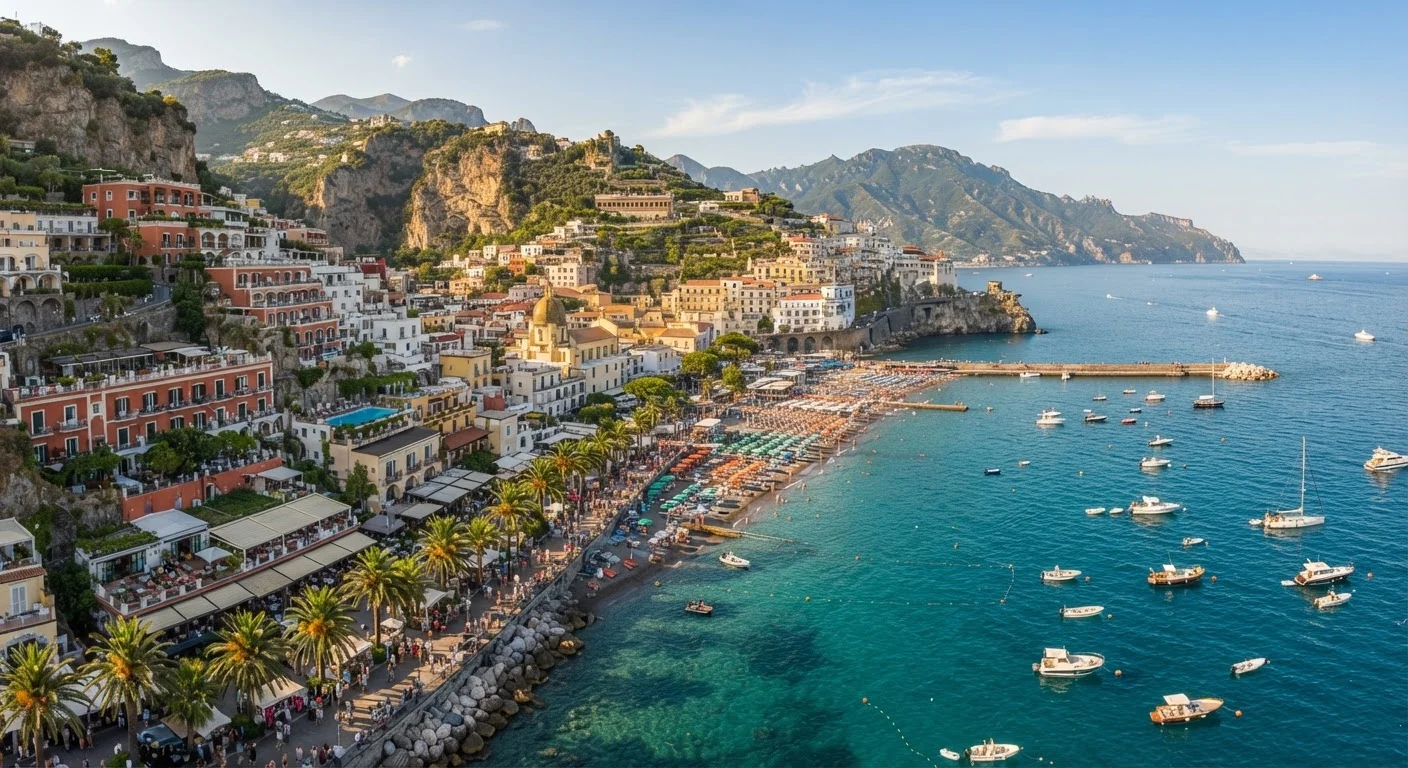
Photo: MyUrbanEscapes.net | Small Escapes. Big Experiences. editorial
—— In This Article
Key Takeaways
- Mild, consistent climates reduce physical stress and help seniors maintain a sustainable travel rhythm.
- Destination type — coastal, city, or resort — shapes accessibility and daily effort more than distance does.
- Health preparation, including medication review and travel insurance, is non-negotiable before any warm-weather trip.
- Pacing activities around midday heat dramatically improves comfort and reduces heat-related risk.
- A concise packing list focused on sun protection, hydration, and comfortable footwear covers most warm-climate needs.
Why Warm Weather Works for Senior Travelers
Warm-weather destinations appeal to senior travelers for reasons that go beyond simple preference. Consistent mild temperatures reduce the physical stress of layering and unlayering, make outdoor activity more predictable, and support comfortable movement throughout the day. Destinations with dry heat — such as the American Southwest or coastal Mediterranean — also tend to have lower humidity, which many older adults find easier on joints and respiratory function than cold, damp climates.
There is also a logistics advantage. Warm-climate infrastructure is typically built around outdoor living: flat promenades, shaded courtyards, and plentiful seating are common features. Cruise ports in the Caribbean, resort towns along the Gulf Coast, and historic cities in southern Europe all tend to prioritize pedestrian comfort in ways that directly benefit travelers who need manageable terrain and frequent rest points.
70°F–85°F
Ideal temperature range for senior outdoor activity
Exercise physiologists generally identify this range as the most comfortable for older adults engaging in moderate physical activity outdoors.
1 in 3
Older adults affected by heat-related illness risk
According to the U.S. Centers for Disease Control and Prevention, adults over 65 are among the most vulnerable groups during heat events due to reduced thermoregulation capacity.
60%+
Senior travelers who prefer structured itineraries
Travel industry surveys consistently find that a majority of travelers aged 60 and older prefer guided or partially structured trip formats over fully independent arrangements.
For those weighing warmer domestic options against international ones, our quick-reference overview of warm-weather regions covers climate types, temperatures, and accessibility notes across the most popular choices.
Choosing the Right Destination Type
Not all warm destinations deliver the same experience. The terrain, crowd profile, and available infrastructure vary enough that selecting the right type of destination matters as much as selecting the right place.
- Beach and coastal towns offer flat walking surfaces, abundant seating, and easy access to shade. Look for developed boardwalks rather than soft-sand stretches, which are harder on hips and knees. Our guide to affordable coastal destinations suited to older travellers covers options across several continents.
- Warm historic cities — think San Antonio, Seville, or Valletta — combine cultural richness with walkable cores. Many have invested in accessibility improvements. San Antonio's River Walk is a strong domestic example: flat, shaded, and rich with rest spots.
- Resort and cruise destinations consolidate amenities, reduce logistics, and provide medical services on-site or within close reach. They suit travelers who prefer structured environments over independent exploration.
When evaluating a coastal town, check whether the main promenade or waterfront is paved or compacted — unpaved sandy paths can be deceptively tiring for anyone with joint sensitivity or balance considerations.
Terrain is a leading factor in day-trip fatigue for senior travelers, yet it is rarely highlighted in standard destination guides. A quick look at recent visitor photos on mapping applications usually reveals surface conditions before you arrive.
Book accommodation within ten minutes' walking distance of your primary daily destination — not just the town center. A short, flat return walk at the end of the day makes a measurable difference in how well you feel the following morning.
Proximity to key attractions reduces cumulative physical load across multi-day trips and gives travelers a reliable retreat if energy drops unexpectedly.
Travelers who want the experience of international warm-weather travel but are newer to planning at this stage of life will find our complete starting point for warm-weather travel a useful grounding resource before committing to a specific destination.
Health Preparation Before You Go
Warm climates introduce specific health considerations — heat exposure, dehydration, and sun-related skin damage — that require proactive management rather than reactive response. Before booking, seniors should discuss travel plans with their physician. This is especially important for anyone managing cardiovascular conditions, kidney disease, or medications that affect heat tolerance or sun sensitivity.
Medications and Heat: A Critical Interaction
Several common medications — including diuretics, beta-blockers, antihistamines, and certain antidepressants — can impair the body's ability to regulate temperature in warm climates. This does not mean these medications cannot be taken while traveling; it means your physician needs to know your destination and typical daily activity level before you depart. Never adjust or discontinue medication without professional guidance.
Beyond medical consultation, practical pre-trip preparation includes confirming that all prescriptions carry enough supply for the full trip plus a buffer, carrying a written medication list in both English and the destination language, and researching the nearest medical facility to your accommodation. For a comprehensive pre-travel health framework, see our senior health preparation hub. Our health and safety planning hub also covers what to do if a problem arises on the road.
This article provides general travel planning information and is not a substitute for personalized medical advice. Consult a qualified healthcare professional before traveling, particularly if you have existing health conditions.
Packing Smart for a Warm-Climate Trip
Warm-weather packing should prioritize function over volume. Overpacking creates its own physical burden — heavy luggage strains shoulders, slows movement through airports, and adds unnecessary complexity to every transfer.
- Sun protection: Broad-spectrum SPF 30+ sunscreen, a wide-brim hat, and UV-blocking sunglasses are non-negotiable. Lightweight, long-sleeve UPF-rated shirts offer sustained protection without discomfort in humid climates.
- Footwear: One pair of well-broken-in walking shoes with arch support covers most excursions. Add sandals with back straps for casual resort or beach settings. Avoid new shoes that have not been tested on extended walks.
- Hydration support: A collapsible, insulated water bottle keeps drinks cool and travels flat. Many warm destinations have potable tap water; confirm this in advance to reduce reliance on single-use plastic.
- Medications and documentation: Keep all medications and travel documents in carry-on luggage only. A small, clearly labeled pill organizer simplifies daily management.
Roll, Don't Fold — and Weigh Your Bag Before Leaving
Rolling clothing rather than folding compresses soft items more efficiently and makes it easier to spot what you need without unpacking everything. Weigh your bag at home before departure — many seniors find that a bag over 20 lbs becomes genuinely difficult to manage through airports and over cobblestones, even with wheels. Aim for carry-on dimensions where health and trip length allow.
Daily Pacing and On-the-Ground Comfort
The single most effective strategy for comfortable warm-weather travel is structuring activity around the heat curve. In most warm destinations, temperatures peak between noon and 3 p.m. Scheduling sightseeing for the morning, retreating during midday, and resuming late afternoon preserves energy and reduces heat-related risk.
This rhythm aligns well with local culture in Mediterranean and Latin American destinations, where midday breaks are standard. Travelers who resist this pacing — cramming activity into the hottest hours — typically exhaust themselves within two or three days.
For trips involving significant time differences or multiple destinations, building a realistic international itinerary after 70 requires additional planning around energy management and contingency days.
“The travelers who have the best time in warm climates are almost always the ones who treat the afternoon rest not as lost time, but as part of the itinerary. That shift in mindset changes everything about how the trip feels.”
— Travel Medicine and Infectious Disease Journal, Peer-reviewed publication covering health considerations for international travelers
Planning Resources and Next Steps
Pulling together a complete warm-weather trip involves decisions across budget, health logistics, destination choice, and daily planning. The resources below help cover each layer systematically.
CDC Travelers' Health — Destination Tool
The U.S. Centers for Disease Control and Prevention maintains destination-specific health guidance including vaccination recommendations, disease alerts, and food and water safety information for travelers.
U.S. Department of State — Country Information
Official entry requirements, travel advisories, and emergency contact information for every country. An essential first check before booking any international warm-weather destination.
Senior Health Preparation Hub
Our internal resource covering how seniors can prepare medically and logistically before any trip — including medication management, physician consultation checklists, and travel insurance considerations.
Warm-Weather Destinations at a Glance
A concise reference covering climate types, typical temperatures, accessibility notes, and seasonal patterns across popular warm-weather regions for senior travelers.
Travelers managing costs carefully will also benefit from our complete guide to senior travel discounts, which covers reductions available on flights, accommodation, tours, and national park entry. For a different kind of warm-weather itinerary — slower-paced and culturally rich but in a cooler climate — our guide to Ireland for older visitors offers an instructive contrast.

Top Destinations Editorial Team
Top Destinations Editorial Team is the collective byline for our editorial team and contributor network. Articles published under this byline or an editorial pen name are researched, written, and reviewed according to our editorial standards for clarity, consistency, and independence before publication.
View author profile