
What Ship Medical Centres Can and Cannot Do
Understand the realistic capabilities and limitations of onboard medical facilities before you set sail as a senior traveler.
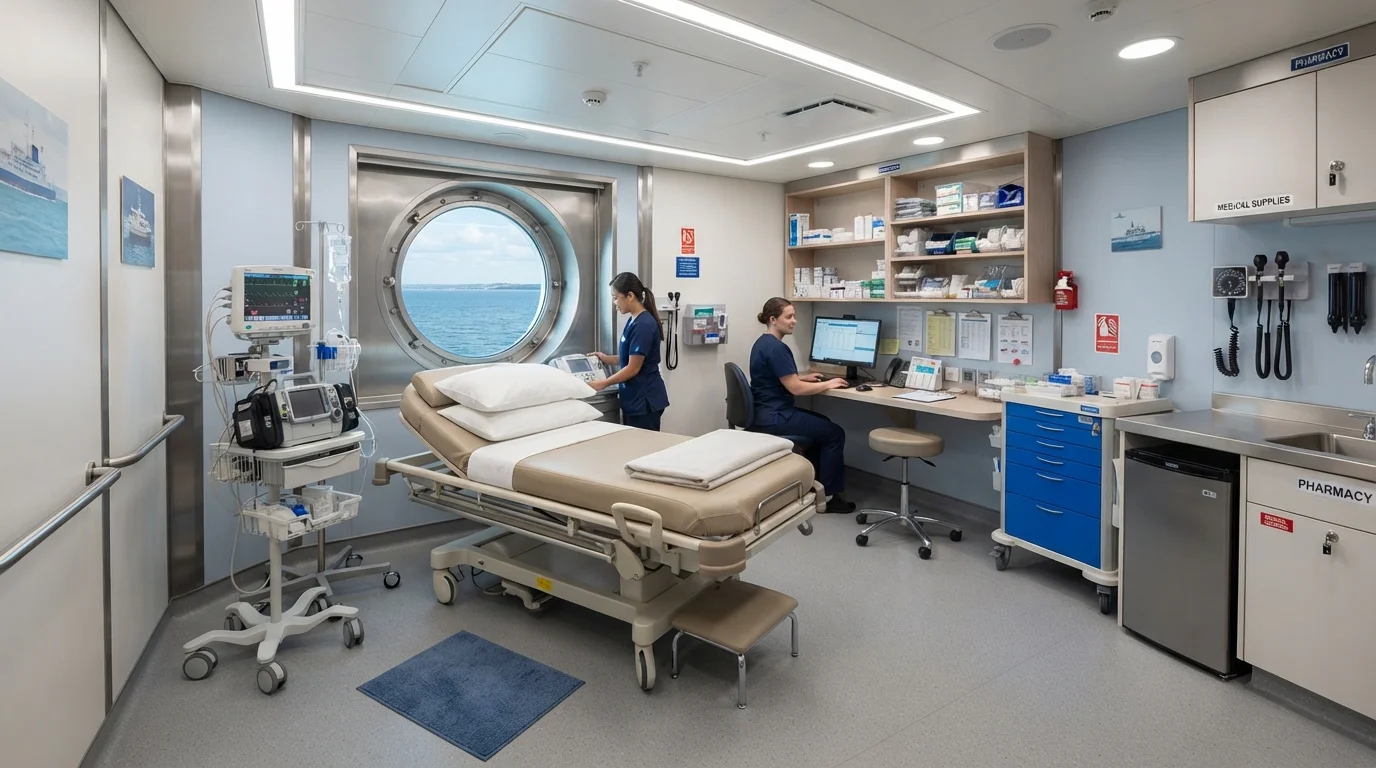
Photo: MyUrbanEscapes.net | Small Escapes. Big Experiences. editorial
—— In This Article
Key Takeaways
- Ship medical centres can handle many common emergencies but cannot perform major surgery or advanced specialty care.
- Most centres are staffed by licensed physicians and nurses, though specialties are limited.
- Medications available onboard may not include every prescription a passenger takes daily.
- Medical care at sea is billed separately and can be expensive — your regular health insurance may not apply.
- Serious conditions often require evacuation to a shoreside hospital, which adds cost and complexity.
- Preparing your health records and packing adequate medications before sailing reduces risk significantly.
What Ship Medical Centres Are Actually Equipped to Handle
Ship medical centres are genuine clinical facilities, not simply first-aid stations. On larger ocean cruise ships, they typically include examination rooms, a small ward for observation, basic laboratory testing equipment, X-ray capability, defibrillators, and a pharmacy stocked with common emergency medications. The staff — usually a physician and one or more registered nurses — are trained to manage a wide range of acute situations.
Conditions that ship medical centres can generally manage include:
- Minor injuries such as cuts, sprains, and fractures requiring splinting
- Gastrointestinal illness, dehydration, and food-related reactions
- Respiratory infections, fever, and flu-like illness
- Allergic reactions, including moderate anaphylaxis
- Cardiac monitoring and initial stabilisation of arrhythmias or suspected heart events
- Blood glucose emergencies in diabetic passengers
- Wound care and suturing
For senior travelers, this level of capability is genuinely reassuring. The ability to receive IV fluids, have an ECG taken, or get a wound properly closed without needing to find a hospital in a foreign port is a meaningful safety net. See our complete overview of cruise health and safety for seniors for a broader look at how these services fit into the full picture of cruising safely.
~1
Physicians typically onboard large ocean cruise ships
Industry guidelines from the American College of Emergency Physicians recommend at least one physician per vessel on ocean voyages, though staffing levels vary by ship size and operator.
Varies widely
Cost of a single medical consultation onboard
Shipboard medical visits are billed to the passenger's account and are not standardised; costs can range from modest to several hundred dollars depending on the treatment required.
0
CT or MRI scanners on most cruise ships
Standard diagnostic imaging onboard is generally limited to basic X-ray; advanced imaging requires disembarkation at a port facility or medical evacuation to a hospital.
The Real Limitations: What a Ship Cannot Provide
Understanding the boundaries of shipboard care is just as important as knowing what it offers. Ship medical centres are not hospitals. They do not have operating theatres capable of major surgery, intensive care units, or specialist consultants such as cardiologists, neurologists, or orthopedic surgeons. Diagnostic imaging is limited — most ships have basic X-ray but not CT or MRI scanners.
Conditions that typically exceed shipboard capacity include:
- Stroke requiring thrombolytic therapy or specialist neurology intervention
- Heart attack requiring catheterisation or cardiac surgery
- Major trauma such as internal bleeding or severe head injury
- Appendicitis or other conditions requiring abdominal surgery
- Dialysis for passengers with kidney failure
- Advanced cancer care or chemotherapy
When a condition exceeds onboard capabilities, the options are emergency disembarkation at the nearest port or medical evacuation — both of which can be logistically complex and expensive. The ship's location at sea at any given moment is a critical factor; mid-ocean crossings may mean hours before a shoreside facility is reachable.
Location at Sea Affects Evacuation Timelines
A ship sailing a Caribbean itinerary with frequent port stops is rarely more than a few hours from a medical facility. A transatlantic crossing or remote expedition itinerary is a different matter — the ship may be a day or more from any port. Seniors with significant health concerns should factor the specific itinerary geography into their planning, not just the ship's onboard capabilities.
For a deeper look at how this affects your financial planning, our article on cruise line medical policies versus your own health coverage explains the billing realities in detail.
How Senior Travelers Can Prepare Effectively
The most effective thing any senior cruiser can do is arrive prepared. That preparation starts well before embarkation day.
Carry a Medical Summary Card
Before you sail, prepare a one-page summary listing your diagnoses, current medications with dosages, known allergies, and the contact information for your primary care provider. Keep a copy in your wallet and another with your travel documents. Ship medical staff can treat you far more effectively and safely when they have this information immediately available.
Key steps worth taking include:
- Consult your physician before sailing. Share your itinerary, discuss whether your current health status is suited to a voyage of that length and location, and get written documentation of your diagnoses, medications, and relevant medical history.
- Pack more medication than you think you need. Bring at least a week's extra supply — in original labelled containers — stored in both carry-on and checked luggage when possible. Do not rely on the ship's pharmacy to stock your specific prescriptions.
- Know your medical centre's location and hours. On most ships, the medical centre is staffed around the clock for emergencies, but routine hours for non-urgent consultations are limited. Familiarise yourself with the procedure when you board.
- Review your insurance coverage carefully. Standard Medicare does not cover most international care. Supplemental travel insurance with medical evacuation coverage is worth evaluating for any cruise itinerary that travels outside the U.S.
For additional guidance on preparing your health before any trip, visit our senior health preparation hub. You can also explore what onboard wellness facilities senior cruisers can realistically expect — because staying well during the voyage matters just as much as knowing where to turn if something goes wrong.
This article is for general informational purposes only and does not constitute medical or financial advice. Always consult a qualified healthcare provider before travelling with a chronic condition or recent health history, and speak with a licensed insurance professional about your specific coverage needs.
Frequently Asked Questions

Cruise Travel Editorial Team
Cruise Travel Editorial Team is the collective byline for our editorial team and contributor network. Articles published under this byline or an editorial pen name are researched, written, and reviewed according to our editorial standards for clarity, consistency, and independence before publication.
View author profile