
Shore Excursion Safety: What Seniors Often Underestimate
Common oversights seniors make when choosing and joining shore excursions—from physical demands to re-boarding deadlines.
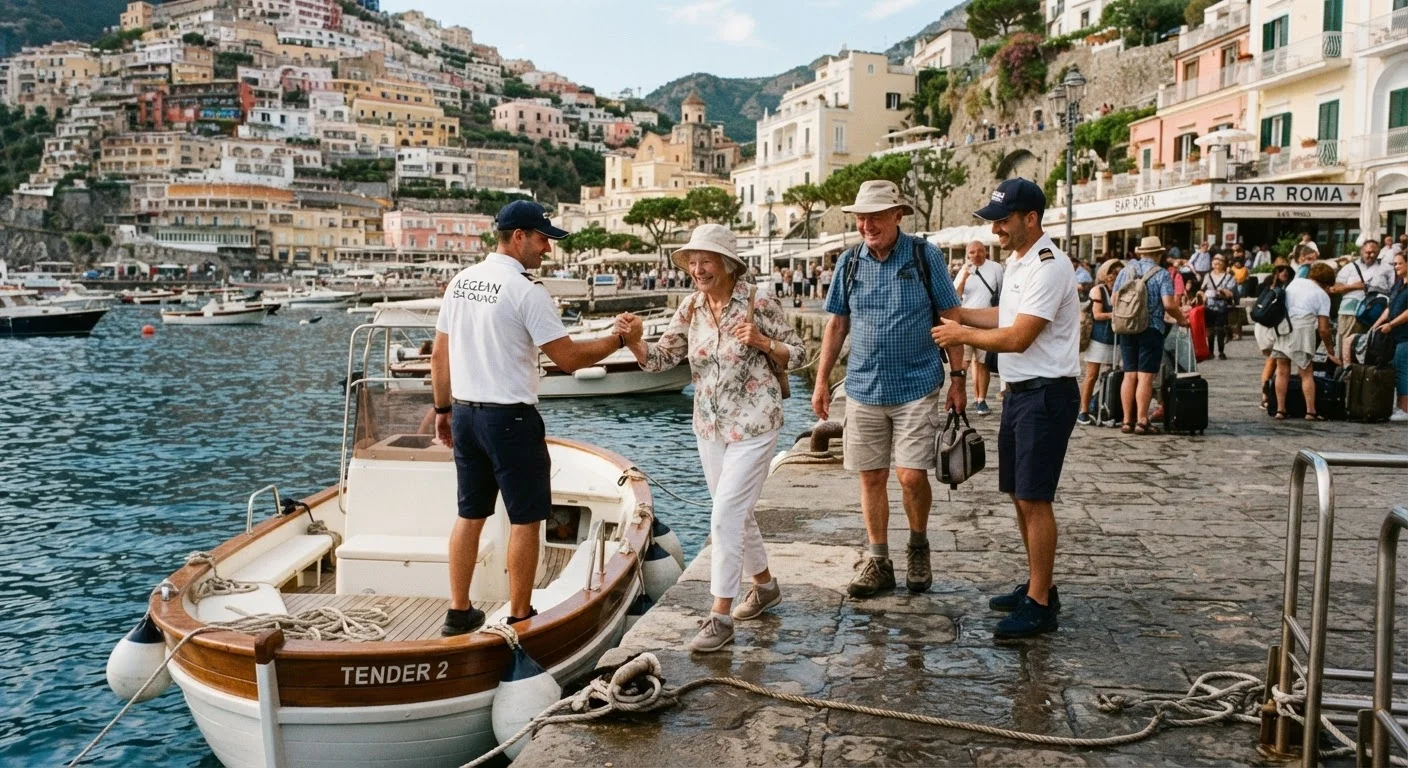
Photo: MyUrbanEscapes.net | Small Escapes. Big Experiences. editorial
—— In This Article
Key Takeaways
- Activity descriptions in excursion brochures often understate physical demands like uneven terrain and prolonged standing.
- Missing the ship's all-aboard deadline means the vessel will depart without you, regardless of the reason.
- Medication schedules, heat exposure, and hydration needs require deliberate planning before any port day.
- Independently booked tours carry more logistical risk if something goes wrong near departure time.
Why Shore Excursions Deserve More Scrutiny Than They Get
For many cruise passengers, shore excursions feel like the reward after the voyage — a chance to explore ancient ruins, coastal villages, or natural landscapes. That sense of anticipation is entirely reasonable. But it can also lead seniors to underestimate what a port day actually demands physically, logistically, and medically.
The onboard experience of a modern ship is carefully engineered for comfort and accessibility. Port days are a different environment entirely — one with uneven cobblestones, outdoor heat, variable terrain, and hard deadlines. Understanding the gap between those two environments is where safe, enjoyable excursion planning begins.
The mistakes below reflect patterns that experienced travel coordinators, ship medical staff, and senior travelers themselves have identified repeatedly. None of them require extraordinary effort to avoid — but they do require awareness before you step off the gangway.
Taking excursion difficulty ratings at face value without reading the fine print.
Why it happens: Cruise brochures and booking portals typically use broad categories like "easy," "moderate," or "active" — but these ratings are rarely standardized. A tour labeled "easy" may still involve 45 minutes of standing on uneven stone pavement.
Underestimating how heat and sun exposure compound physical fatigue on port days.
Why it happens: Travelers often assess excursions based on duration and distance, not environmental conditions. A two-hour walking tour at a Mediterranean port in summer heat is physiologically more demanding than the same walk at home in mild weather.
Losing track of the ship's all-aboard deadline during an independent port day.
Why it happens: Independent travelers often operate without a guide managing the return schedule. Unexpected delays — traffic, a delayed return vehicle, or simply losing track of time — can quickly consume the buffer between tour end and ship departure.
Failing to account for medication timing and storage needs during a full port day.
Why it happens: When travelers are absorbed in logistics — transportation, tickets, timing — medication schedules can slip. Some medications also require refrigeration or consistent timing that a long excursion disrupts.
Assuming tender port landings are as accessible as gangway disembarkation.
Why it happens: At some destinations, ships anchor offshore and passengers transfer to small boats called tenders to reach land. Many seniors don't realize this until they arrive at the embarkation point, where boarding a tender requires balance, a step-down transfer, and tolerance for movement on open water.
Not carrying a written card with emergency contact information and medical details while ashore.
Why it happens: Most travelers keep this information on their phone, assuming it's always accessible. A dead battery, lost device, or language barrier can make digital-only information unreliable in an actual emergency.
Planning Smarter: What to Do Before You Book
The most effective safety measure for shore excursions is pre-departure research, not post-arrival improvisation. When evaluating any excursion, request the full activity description in writing — not just the marketing summary. Look specifically for walking distance estimates, surface types, incline levels, and whether seating is available during the tour.
If you use a mobility aid, need frequent rest breaks, or take medications on a fixed schedule, those factors should shape your selection before you book. Our guide to shore excursions for limited mobility walks through how to assess port activities systematically based on physical demands.
Tender Ports Require Different Preparation
Not every port is accessible via a direct gangway. At tender ports, passengers board small transfer vessels that require stepping down, maintaining balance on moving water, and sometimes waiting in line on an open deck. Seniors with balance issues, joint conditions, or significant mobility limitations should confirm tender port logistics with guest services before the ship arrives. Crew assistance is typically available, but conditions vary by weather and port.
For seniors weighing whether to book through the cruise line or independently, that choice carries safety implications worth understanding. The comparison between guided excursions and independent port exploration explores the tradeoffs in practical terms. As a general principle, independently arranged tours offer flexibility but place full responsibility for timing and contingencies on you — which matters enormously when a ship has a fixed departure time.
Finally, port day preparation is part of a broader safety discipline that many travelers don't think about until something goes wrong. The safety planning gaps seniors often overlook article covers complementary preparation steps, including emergency contact documentation and medication logistics, that apply directly to excursion days.
This article is for general informational purposes only. It does not constitute medical advice. Seniors with chronic health conditions or mobility considerations should consult a qualified healthcare provider before participating in physical activities during travel.

Cruise Travel Editorial Team
Cruise Travel Editorial Team is the collective byline for our editorial team and contributor network. Articles published under this byline or an editorial pen name are researched, written, and reviewed according to our editorial standards for clarity, consistency, and independence before publication.
View author profile