
Packing Your Medications for a Cruise: What You Need to Know
General guidance on organizing, storing, and declaring prescription medications when cruising—plus when to consult your doctor beforehand.
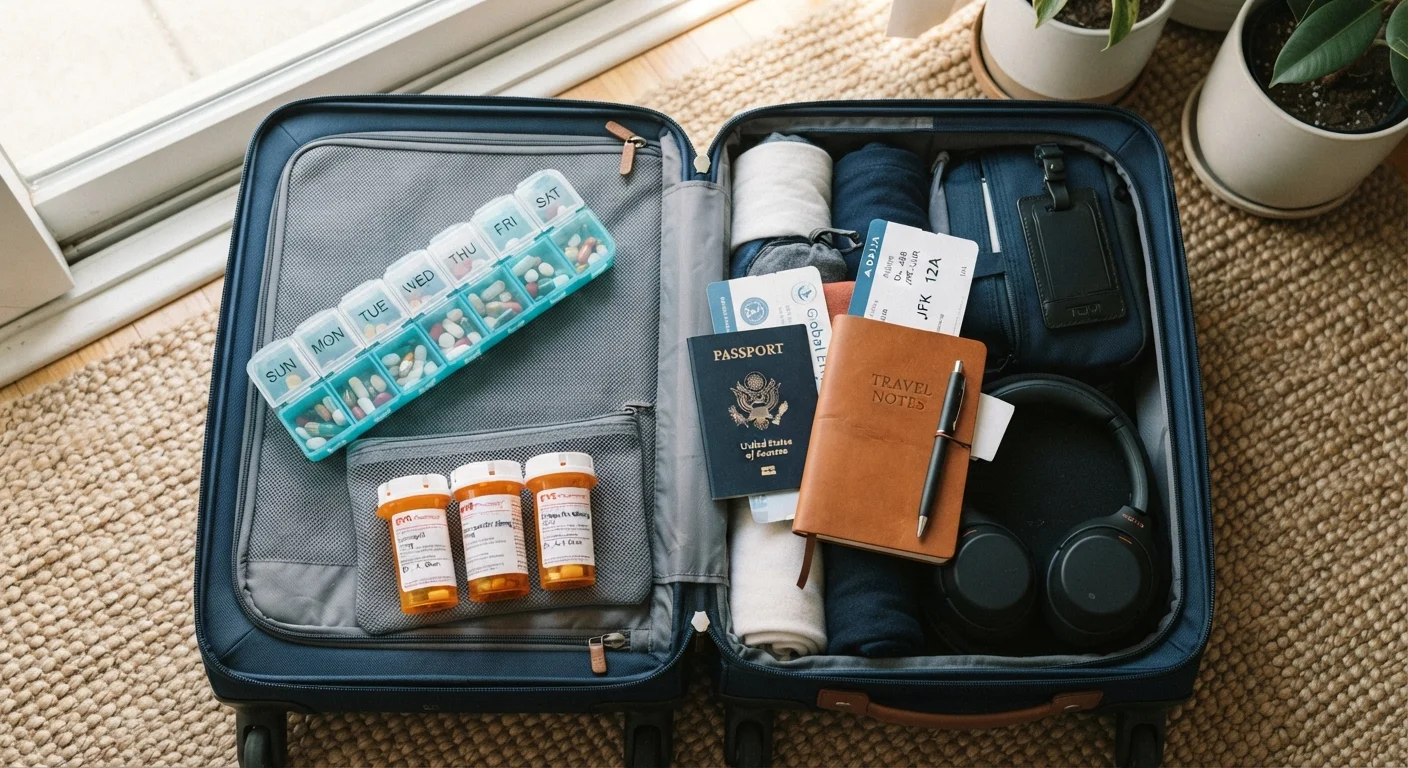
Photo: MyUrbanEscapes.net | Small Escapes. Big Experiences. editorial
—— In This Article
Key Takeaways
- Always carry medications in original, labeled containers to ease inspection at ports and borders.
- Bring enough supply to cover the full cruise plus several extra days as a precaution.
- Consult your doctor well before departure to review medications and get supporting documentation.
- Store temperature-sensitive medications correctly, as ship cabin and port conditions vary.
- Keep essential doses in carry-on luggage — never pack all medications in checked bags.
Why Medication Planning Matters More on a Cruise
A cruise presents unique logistical challenges that land-based travel does not. Once a ship leaves port, access to pharmacies, urgent prescription refills, and specialized medical care becomes limited. For senior travelers managing chronic conditions or multiple prescriptions, this reality makes pre-trip medication planning one of the most consequential tasks on the packing checklist.
Ports of call may be in countries with different pharmaceutical regulations, meaning your medication may not be available locally under the same name or formulation — or at all. The general principles of traveling with medications apply at sea, but the stakes are heightened when you cannot simply step off and find a pharmacy.
Planning ahead transforms this potential vulnerability into a manageable routine. The steps below walk through what to do before you pack, how to organize and store medications onboard, and what documentation to have on hand.
What you will need
Step-by-Step: Packing Your Medications Safely
Follow these steps to ensure your medications are properly prepared, packed, and protected for the duration of your cruise.
Schedule a Pre-Cruise Medical Appointment
Book an appointment with your primary care physician or prescribing specialist at least four to six weeks before your sail date. Use this visit to review all current medications, discuss any conditions that may be affected by sea travel (such as motion sickness, blood pressure changes, or dietary shifts), and request a written letter listing your diagnoses and medications. This letter — on official letterhead and signed by your doctor — can ease customs inspections and assist onboard medical staff if needed.
Calculate Your Full Supply Needs
Count the number of days from departure through return, then add a minimum of five to seven extra days of every medication as a buffer. Delays, unexpected itinerary extensions, or a lost bag can exhaust your regular supply quickly. Contact your pharmacy and insurance provider early — many plans limit early refills, but a travel override is often possible with a physician's note documenting the trip duration.
Keep Medications in Original Labeled Containers
Transfer medications into a pill organizer for daily use if you prefer, but always travel with the original pharmacy-labeled bottles as well. Labels confirm your name, prescribing doctor, medication name, dosage, and dispensing pharmacy — all information that port security, customs officers, and medical personnel may need. For liquid medications, ensure each container is within any applicable volume limits for the ports you will transit.
Split Your Supply Between Carry-On and Luggage
Never consolidate all your medications into a single bag that could be delayed, lost, or checked at embarkation. Pack at least a two-to-three day supply — ideally a full week — of every critical medication in your carry-on or personal bag. Place the remainder in your checked luggage. This redundancy protects you if one bag is delayed during embarkation or a port transfer.
Research Storage Requirements and Port Regulations
Check the storage requirements for each of your medications — specifically whether any require refrigeration or protection from heat and humidity. Tropical itineraries can expose luggage to high temperatures during port transfers. Contact your cruise line to confirm cabin refrigerator availability, and notify them of any special storage needs before sailing. Additionally, research the controlled substance regulations of each country on your itinerary; some medications legal in the United States are restricted or prohibited elsewhere.
Organize a Medication Reference Sheet
Prepare a single-page reference document listing every medication you take — generic and brand name, dosage, frequency, prescribing physician's contact information, and the condition it treats. Share a copy with a travel companion and keep one in your carry-on bag separate from your medications. This document helps onboard medical staff treat you accurately and quickly if you are unable to communicate for any reason. The Health & Safety hub for senior travelers offers additional context on preparing health documentation before any trip.
Controlled Substances Require Extra Caution
Medications classified as controlled substances in the United States — including certain opioids, benzodiazepines, and stimulants — may be illegal to carry into specific countries on your cruise itinerary. Penalties for non-compliance can be severe. Always verify the rules of every destination country through official embassy or government sources before you sail, and carry all relevant documentation from your prescribing physician.
Storage, Declaration, and Onboard Resources
Once onboard, medication management continues. Most cruise ship cabins have small refrigerators suitable for insulin and other temperature-sensitive medications, but you should confirm this with your cruise line in advance. If you require consistent cold storage, notify the ship's medical center at embarkation — they can often provide more reliable refrigeration.
When passing through port security or customs, be prepared to declare prescription medications. Controlled substances — such as certain pain medications, sedatives, or stimulants — may require additional documentation or be subject to restrictions in specific countries. Review the regulations for each destination country before sailing. The U.S. Department of State and the embassies of your ports of call are authoritative sources for this information.
Cruise ships maintain onboard medical centers staffed by licensed physicians and nurses. These facilities can handle many medical situations, but they are not full hospitals. For a broader understanding of how coverage works if you need care at sea, see our overview of cruise line medical policies versus personal health coverage.
Use the Ship's Medical Center Proactively
Introduce yourself to the onboard medical center at the start of your cruise, especially if you manage a complex condition. Staff can note your medications in their records so they are prepared if you need assistance mid-voyage. This is particularly helpful on longer itineraries with multiple international ports.
This article provides general travel health information and is not a substitute for personalized medical advice. Always consult a qualified healthcare professional about your specific medications, health conditions, and travel plans before departure.

Cruise Travel Editorial Team
Cruise Travel Editorial Team is the collective byline for our editorial team and contributor network. Articles published under this byline or an editorial pen name are researched, written, and reviewed according to our editorial standards for clarity, consistency, and independence before publication.
View author profile