
The Real Cost of a Cruise: Understanding What's Included and What Isn't
Port fees, gratuities, specialty dining, and excursions can add up fast. A plain-language breakdown of cruise pricing for budget-conscious seniors.
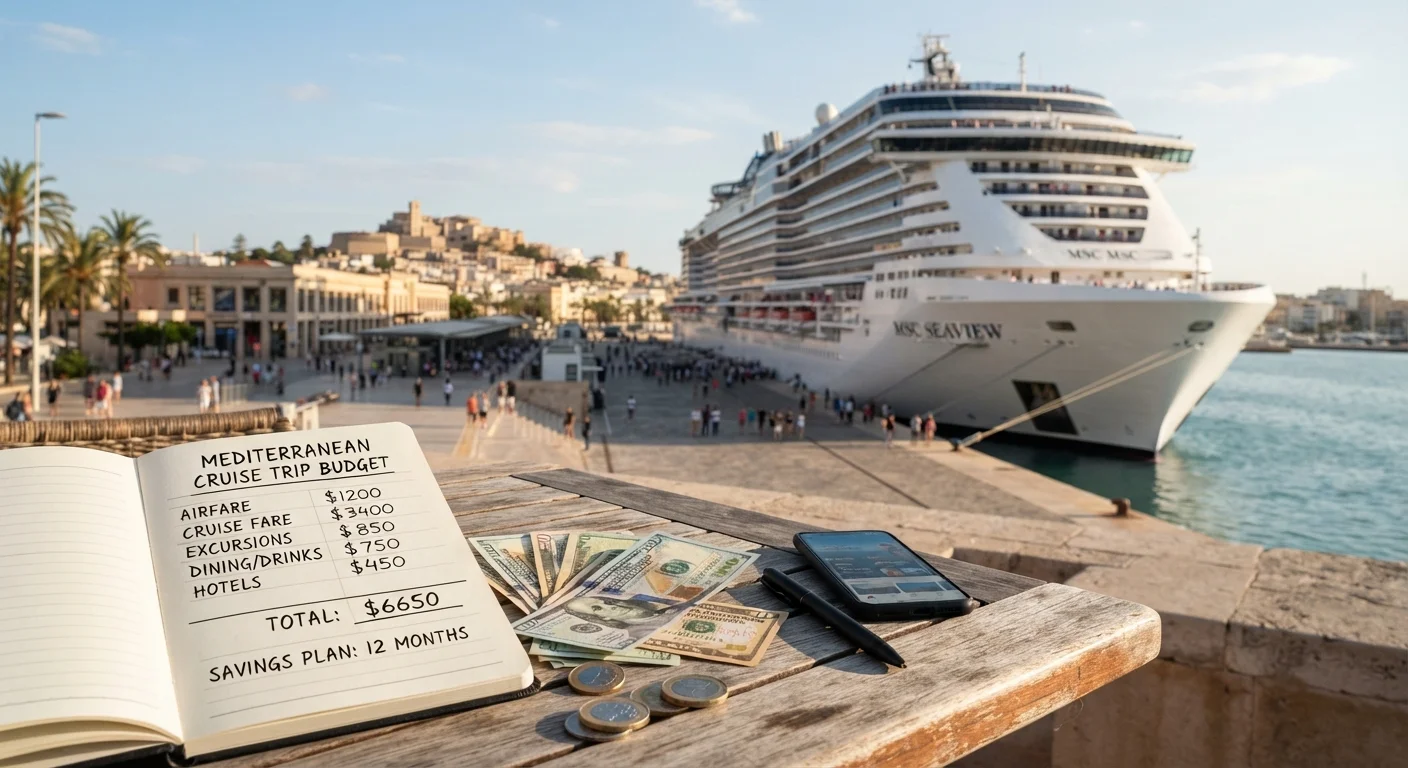
Photo: MyUrbanEscapes.net | Small Escapes. Big Experiences. editorial
—— In This Article
What Your Base Fare Actually Covers
The advertised price of a cruise — sometimes called the base fare — is a starting point, not a final number. For most mainstream cruise lines, the base fare typically includes your cabin accommodation, meals at the main dining room and buffet, access to onboard entertainment such as shows and pools, and use of the ship's standard amenities like fitness centers and walking decks.
What it almost never includes: alcoholic beverages, specialty restaurant meals, shore excursions, gratuities, spa services, Wi-Fi, and travel to or from the embarkation port. These extras can add hundreds — sometimes more than a thousand — dollars to the total cost of a voyage, depending on your choices.
| Typical Gratuity Range | $15–$20+ per person, per day (General industry standard; varies by cruise line) |
| Specialty Dining Cost | $25–$60+ per person, per meal (Average across mainstream cruise lines) |
| What Base Fare Covers | Cabin, main dining, entertainment, standard amenities (Standard industry practice) |
| What Base Fare Excludes | Alcohol, Wi-Fi, excursions, gratuities, specialty dining (Common exclusions across most cruise lines) |
| Single Supplement Typical Range | 50%–100% above double-occupancy rate (Varies by cruise line and cabin category) |
| Port Fees & Taxes | Variable; may be listed separately from base fare (Government and port-authority imposed) |
For a deeper look at how different pricing structures compare, see how all-inclusive vs. à la carte pricing affects senior cruise budgets.
The Extras That Add Up Most for Seniors
Several categories of add-on costs consistently catch first-time cruisers off guard. Understanding them in advance allows for smarter budgeting.
Gratuities (Service Charges)
Most cruise lines add a daily gratuity — also called a service charge or crew appreciation fee — to each passenger's onboard account. These typically range from roughly $15 to $20 or more per person, per day. On a 10-night voyage, that's a meaningful sum. Some lines allow you to prepay gratuities at booking, which can simplify budgeting.
Port Fees and Taxes
Port fees are government- and port-authority-imposed charges collected by cruise lines and passed directly to passengers. They vary by destination and itinerary. While some cruise lines include them in the advertised fare, others list them separately. Always check the final checkout total, not just the headline price.
Beverage Packages
Purchasing a beverage package upfront can reduce per-drink costs if you plan to consume alcohol or specialty coffees regularly. However, if you primarily drink water, juice, or standard coffee — included in most base fares — these packages may not offer value. Do the math based on your actual habits.
Specialty Dining
Onboard specialty restaurants — steakhouses, sushi bars, Italian bistros — charge separately, typically $25–$60 or more per person per meal. These are optional, and the included dining rooms offer full meals at no extra charge.
Shore Excursions
Cruise line-organized excursions at ports of call are not included in the base fare and range widely in price. For seniors prioritizing accessibility and safety, ship-sponsored tours can offer peace of mind, though independent options (where available) are sometimes less expensive. Always verify accessibility features before booking any excursion.
Base Fare
The advertised per-person price of a cruise booking, typically covering accommodation and standard meals. It generally does not include gratuities, port fees, beverages, or excursions.
Port Fees
Charges levied by government authorities and port facilities, passed on to passengers by cruise lines. They vary by destination and are sometimes listed separately from the base fare.
Gratuity / Service Charge
A daily per-person fee added to passengers' onboard accounts to compensate crew members. Often called 'crew appreciation,' it can be prepaid at booking or charged during the voyage.
Single Supplement
An additional charge applied to solo travelers who occupy a cabin designed for two guests. It compensates the cruise line for the unused berth and can substantially raise the total cost.
Beverage Package
An optional prepaid plan that covers drinks — alcoholic, non-alcoholic, or both — at a fixed daily rate. Value depends heavily on individual consumption habits.
Shore Excursion
A guided activity or tour arranged at a port of call, sold separately from the cruise fare. Cruise line-organized excursions offer logistical guarantees; independent tours may cost less but carry more personal coordination.
For a comprehensive look at what seniors often overlook when budgeting, see the true cost of a cruise: what seniors often don't budget for. And for broader travel spending categories, where your travel dollar actually goes provides useful context.
Building a Realistic Cruise Budget
A practical approach is to treat the base fare as covering roughly 60–70% of your true trip cost, then layer in estimates for the extras most relevant to your travel style. Start by confirming which items your cruise line bundles and which are charged separately — this varies meaningfully between lines and even between ship classes.
Travel insurance is another cost worth factoring in early. Coverage for trip cancellation, medical emergencies at sea, and medical evacuation can be particularly important for senior travelers. See what senior travelers should understand about cruise travel insurance for a plain-language overview of policy types.
Solo Travelers: Factor In the Single Supplement
If you're cruising alone, your effective per-night cost is often significantly higher than the advertised per-person rate. Most cruise lines price cabins based on double occupancy, and solo travelers pay a supplement for the unused space. A handful of ships offer dedicated single cabins that eliminate this surcharge, so it's worth asking about availability when comparing itineraries.
Solo travelers face an additional consideration: most cruise lines charge a single supplement — often 50–100% above the per-person double-occupancy rate — for occupying a cabin alone. This can significantly raise the effective cost per night. Learn more at solo cruising as a senior: cabins, costs, and social considerations.
This article provides general financial information for educational purposes only. Individual costs vary based on cruise line, itinerary, cabin category, and personal choices. Consult cruise line documentation and, for personal financial planning, a qualified professional.

Cruise Travel Editorial Team
Cruise Travel Editorial Team is the collective byline for our editorial team and contributor network. Articles published under this byline or an editorial pen name are researched, written, and reviewed according to our editorial standards for clarity, consistency, and independence before publication.
View author profile