
What 'Accessible' Actually Means in a Vacation Rental
The word 'accessible' appears on many listings but carries no standard definition. Here's what it may or may not mean—and how to verify the details.
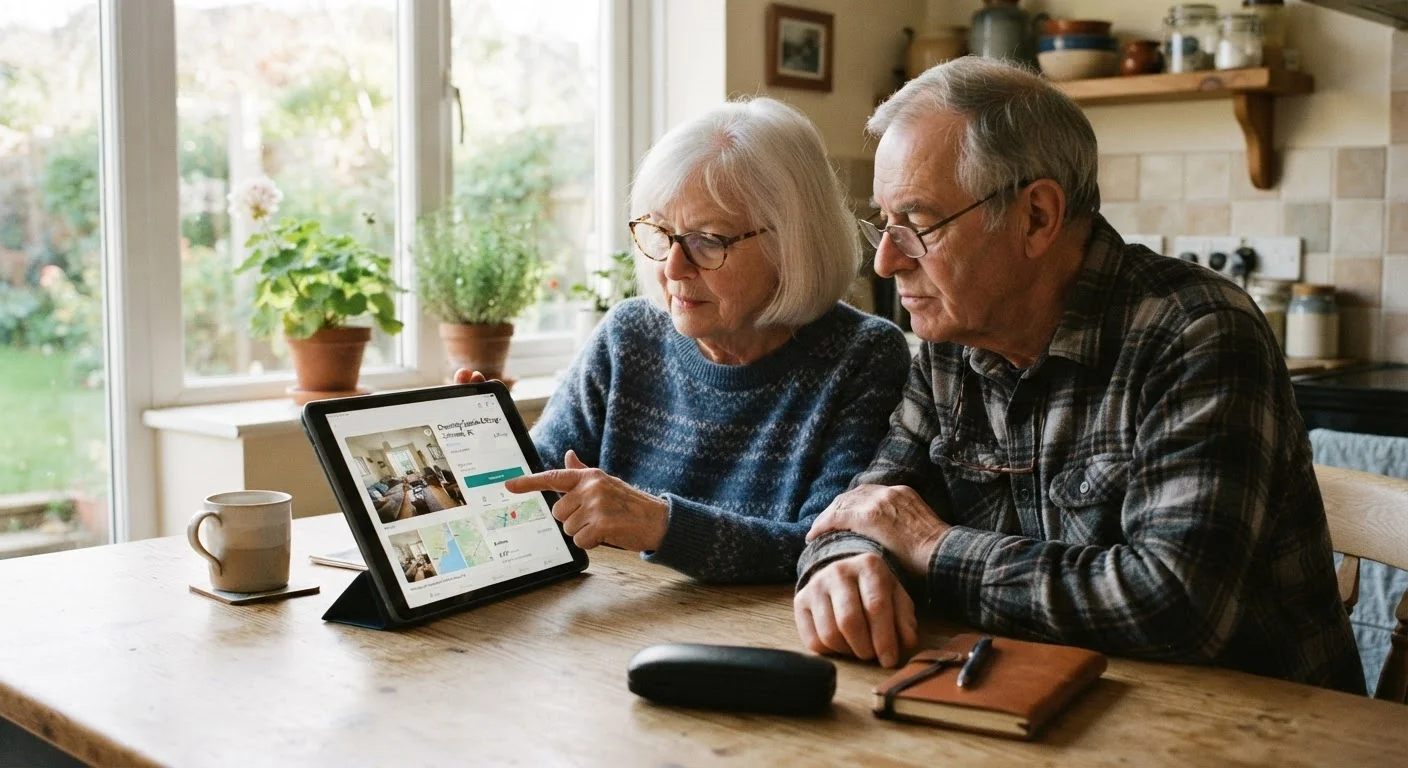
Photo: MyUrbanEscapes.net | Small Escapes. Big Experiences. editorial
—— In This Article
Key Takeaways
- The word 'accessible' on a vacation rental listing has no universal legal or industry definition.
- Hosts self-report accessibility features, so verification through photos, measurements, and direct questions is essential.
- Key features to confirm include step-free entry, grab bars, roll-in or walk-in shower, and bedroom and bathroom proximity.
- Platforms vary significantly in how they structure and verify accessibility information.
- Asking the host specific written questions before booking creates a documented record you can rely on.
Why the Label Alone Isn't Enough
When a vacation rental listing uses the word accessible, it's tempting to take that at face value. But unlike a hotel room classified as ADA-accessible under federal building guidelines, a privately owned rental property has no external authority verifying that claim. The host decides whether to use the label—and hosts have widely different interpretations of what it means.
One host may call a property accessible because it has a single-floor layout. Another may use the term because the front door has a ramp. A third may apply it simply because there are no swimming pool stairs. None of these descriptions is wrong, but none tells the full story a traveler with mobility concerns actually needs.
This matters especially for seniors who rely on grab bars, walk-in showers, or wheelchair-passable doorways. Common myths about rental accessibility can lead travelers to assume more than the listing actually promises. Understanding what the term can and cannot guarantee is the first step toward a safer booking.
ADA Coverage and Private Rentals
The Americans with Disabilities Act primarily governs public accommodations such as hotels, motels, and inns with more than a certain number of rooms. Most privately owned vacation rentals—particularly those listed by individual homeowners—are generally not covered under the same requirements. This means no federal standard currently defines what 'accessible' must include in a short-term rental listing. Individual state laws may vary, so travelers with specific legal questions are encouraged to consult a relevant professional.
Features That Actually Define Accessibility
Rather than relying on a label, experienced travelers focus on a checklist of specific physical features. Each one addresses a distinct challenge:
- Step-free entry: Is the front door reachable without climbing any steps? This includes paths from a parking area or street-level access.
- Doorway widths: Standard wheelchairs require at least 32 inches of clear passage; 36 inches provides comfortable clearance. Ask for measurements if not listed.
- Bathroom grab bars: Are they beside the toilet and inside the shower or tub? Their placement and weight rating matter as much as their presence.
- Shower type: A roll-in shower (no curb or lip) is very different from a walk-in shower with a low threshold. Request photos from inside the bathroom.
- Bedroom-to-bathroom proximity: A single-floor layout is meaningless if the only bathroom requires walking through multiple rooms in the dark.
- Furniture and turning radius: Is there enough open floor space around the bed and seating for someone using a walker or wheelchair?
How different platforms present accessibility information varies—some offer structured checklists, others rely entirely on host-written descriptions. Knowing which approach a platform uses shapes how much additional verification you need to do.
Request Photos of the Bathroom and Entrance
Listing photos are often curated to show the most attractive rooms. If the bathroom and entrance photos are missing or unclear, send the host a direct message asking for additional images before booking. A photo of the shower threshold, the grab bar placement, and the path from parking to the front door can answer multiple questions at once and save significant frustration on arrival.
How to Verify Before You Book
The most reliable verification tool is a direct, written message to the host before booking. Written communication creates a record you can reference if the property doesn't match the description upon arrival. Be specific in your questions—vague inquiries get vague answers.
Useful questions to send include:
- Is the entrance entirely step-free from the parking area to the front door?
- What is the width of the bathroom doorway in inches?
- Does the shower have a curb or raised threshold, or is it flush with the floor?
- Are grab bars installed next to the toilet and inside the shower?
- Is the bedroom on the same floor as the bathroom?
In addition to messaging the host, read through all guest reviews and search specifically for words like "stairs," "step," "wheelchair," "walker," or "grab bar." Past guests often mention these details even when the listing doesn't. If the listing photos don't show the bathroom interior, ask for additional images.
~53M
U.S. adults with some form of disability
According to the CDC, approximately 53 million American adults—about 1 in 4—live with a disability, many of which affect mobility and travel needs.
No standard
Federal definition of 'accessible' for private rentals
Unlike hotels, private short-term rental properties are not subject to ADA accessibility standards, leaving the definition entirely to hosts.
For travelers planning trips across different accommodation types, it's worth noting that accessible hotel room categories follow different rules than private rentals, and the terminology doesn't always translate between the two. Comparing both can help calibrate your expectations.
What Platforms Do—and Don't—Control
Major rental platforms have made efforts to improve how accessibility is presented. Some now offer structured filters that let hosts check off specific features—step-free entry, roll-in shower, accessible parking—rather than simply writing a free-text description. This is a meaningful improvement, but it still relies on host self-reporting, not third-party inspection.
A host checking "step-free shower" on a platform form may have a different threshold in mind than what a traveler expects. Platforms generally do not send inspectors to verify these claims. If a listing is found to be materially inaccurate, most platforms provide a dispute process, but the burden of raising that issue falls on the traveler after arrival.
This doesn't mean platforms are unhelpful—structured filters are genuinely useful for narrowing a search. But they work best as a starting point, not a final answer. Pair any filter-based search with direct host communication and photo review before finalizing a booking.
For those using multiple platforms in their search, exploring how to find and compare rental properties can help build a more systematic approach to the process.
Frequently Asked Questions

Vacation Rentals Editorial Team
Vacation Rentals Editorial Team is the collective byline for our editorial team and contributor network. Articles published under this byline or an editorial pen name are researched, written, and reviewed according to our editorial standards for clarity, consistency, and independence before publication.
View author profile