
Why Seniors Often Leave Discount Money on the Table
From not asking to booking through the wrong channel, these are the most common ways senior travelers inadvertently skip available savings.
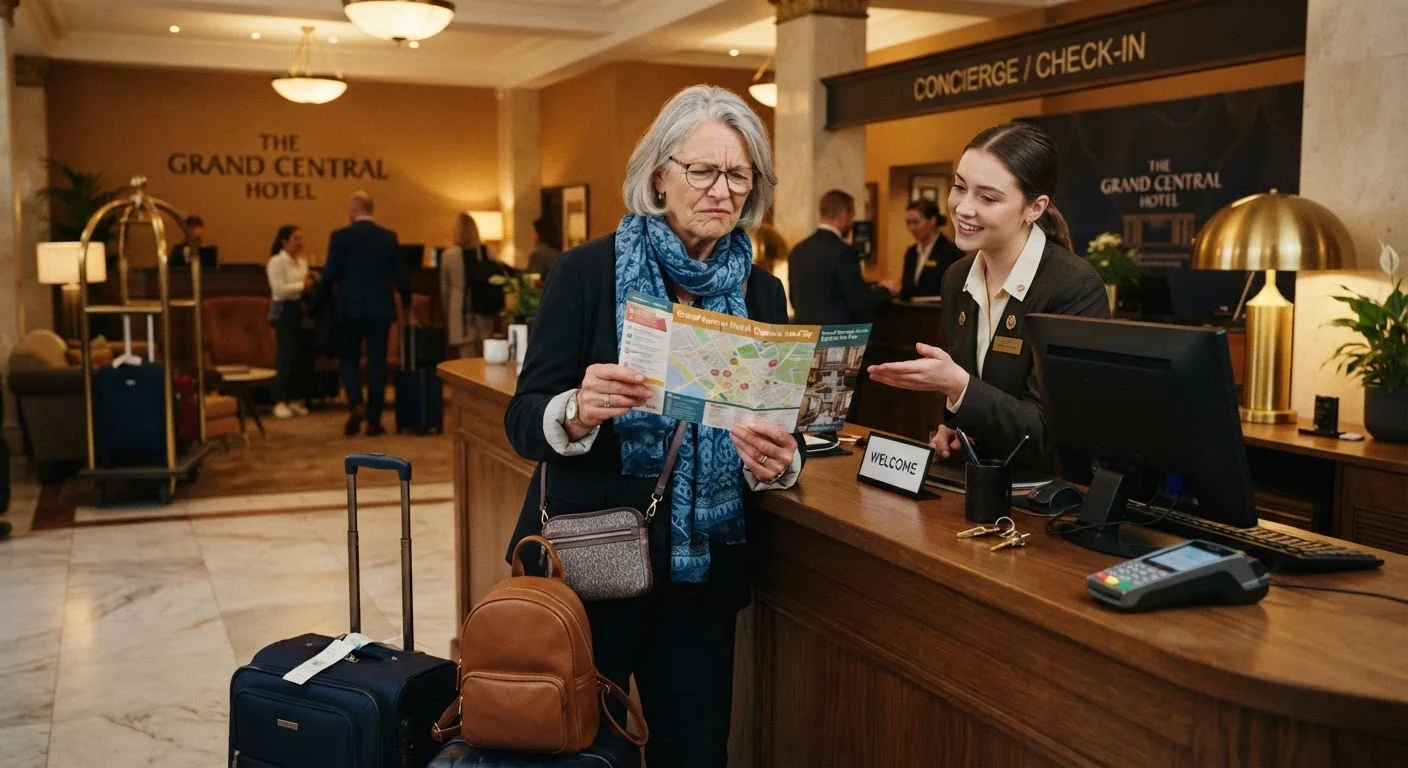
Photo: MyUrbanEscapes.net | Small Escapes. Big Experiences. editorial
—— In This Article
Key Takeaways
- Most senior discounts are not applied automatically — you must request them at booking or check-in.
- Third-party booking platforms often strip out senior rates that direct booking preserves.
- Age thresholds vary widely; some discounts start at 55, others at 62 or 65.
- Carrying a physical ID proves eligibility and prevents discounts from being denied at the desk.
- Attractions, transit, and national parks offer significant savings that are widely overlooked.
The Gap Between Available Savings and Claimed Savings
Senior travel discounts are more widely available than most travelers realize — covering hotels, airlines, attractions, transit, and national parks. Yet a significant portion go unclaimed, not because travelers are ineligible, but because of a handful of predictable, avoidable missteps. Understanding where the process breaks down is the first step to closing that gap.
Our full breakdown of senior discount categories covers the types of savings available and where to find them. This article focuses on the specific behaviors that cause those savings to slip by — even among experienced travelers.
Discounts Are Rarely Applied Automatically
Unlike loyalty perks that attach to an account, the vast majority of senior travel discounts require you to actively claim them. Hotels, airlines, transit agencies, and attractions will not volunteer the discount unless you ask. Always identify yourself as a senior eligible for a discount at the point of booking and again at check-in or the gate.
The Most Common Mistakes — and How to Fix Them
The errors below are not the result of carelessness. They stem from reasonable but incorrect assumptions about how discounts work. Each one is easy to correct once you know what to look for.
Not asking for a senior discount at all.
Why it happens: Many seniors feel uncomfortable asking or assume staff will automatically apply any available discount.
Booking through a third-party platform instead of directly with the provider.
Why it happens: Aggregator sites are convenient and appear to show all available prices, so seniors assume the rate displayed is the lowest possible.
Assuming the senior discount age threshold is always 65.
Why it happens: Sixty-five is the culturally familiar benchmark tied to retirement and Medicare, so travelers assume it applies universally to discounts as well.
Not carrying proof of age when traveling.
Why it happens: Travelers expect their word to be taken, or they rely solely on digital ID stored on a phone that may be hard to access quickly.
Overlooking discounts on attractions, transit, and national parks.
Why it happens: Seniors focus primarily on lodging and airfare costs and treat attraction entry and local transit as minor line items not worth scrutinizing.
Defaulting to loyalty points when a senior rate would be cheaper.
Why it happens: Travelers with accumulated hotel or airline points feel compelled to use them, assuming points redemption always delivers the best value.
For a broader look at the misunderstandings that lead seniors to overpay, see common senior discount myths that cost travelers money and common myths about senior travel discounts.
Building a Simple Discount-Claiming Habit
The most reliable fix is routine, not research. Before confirming any booking, run through three quick checks: Does the provider offer a senior rate? Am I booking directly or through a third party? Do I have ID that confirms my eligibility?
Third-Party Sites May Not Show Senior Rates
Online travel agencies aggregate publicly available fares but frequently omit senior-specific rates negotiated directly with providers. If you book exclusively through aggregator platforms without checking the provider's own site, you may pay the standard rate even when a lower senior rate exists. Always compare the aggregator price against a direct booking before confirming.
55+
Minimum age for many senior travel discounts
Numerous hotel chains, museums, and transit systems set their senior discount threshold at 55 or 60, well below the commonly assumed age of 65.
$80
One-time cost of America the Beautiful Senior Pass
The U.S. National Park Service offers residents aged 62 and older lifetime access to federal recreational lands for a single lifetime fee, as of current NPS pricing.
Travelers who build this brief check into their planning process — alongside researching affordable senior-friendly destinations — consistently pay less without sacrificing comfort or convenience. If you find you're spending more than expected despite discount-hunting, why seniors overspend on vacation identifies the broader habits worth addressing.
This article provides general travel and budgeting information. Discount availability, eligibility ages, and program terms vary by provider and are subject to change. Verify details directly with providers before booking.

Travel On A Budget Editorial Team
Travel on a Budget Editorial Team is the collective byline for our editorial team and contributor network. Articles published under this byline or an editorial pen name are researched, written, and reviewed according to our editorial standards for clarity, consistency, and independence before publication.
View author profile