
Building Physical Stamina Before a Trip: Gradual Steps That Make Travel Easier
Walking tours, airport terminals, and uneven cobblestones demand more than most expect. Seniors can ease into better travel fitness weeks before departure.
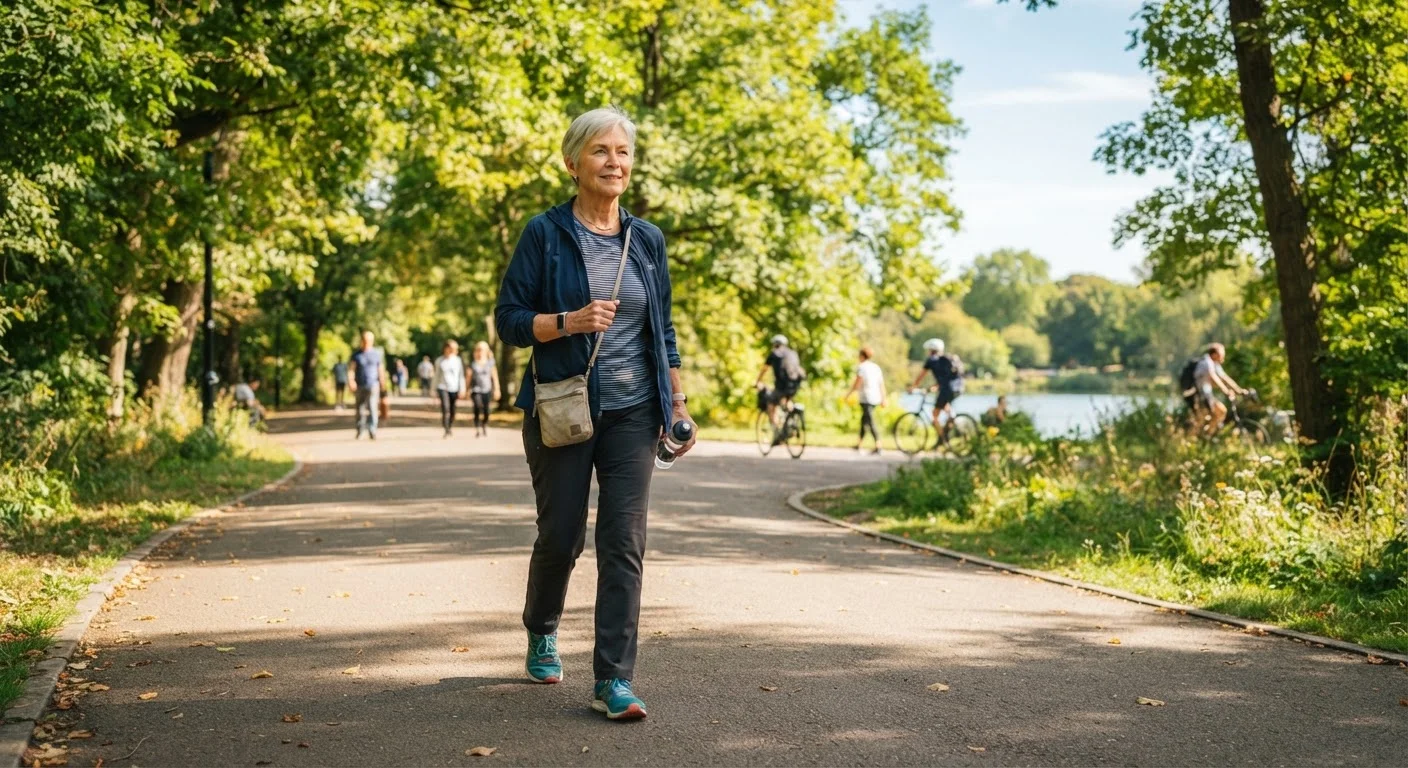
Photo: MyUrbanEscapes.net | Small Escapes. Big Experiences. editorial
—— In This Article
Key Takeaways
- Starting a gradual walking program 6–8 weeks before travel builds meaningful stamina.
- Simulating real travel conditions — uneven surfaces, stairs, loaded bags — prepares the body more effectively than flat-surface exercise alone.
- Strength and balance training reduce fall risk on cobblestones, ship decks, and unfamiliar terrain.
- Consulting your physician before beginning any new exercise program is essential, especially with chronic conditions.
- Rest and recovery are as important as training sessions for building sustainable endurance.
Why Pre-Trip Physical Conditioning Matters for Seniors
Most travelers underestimate how physically demanding a trip can be. A typical day of sightseeing may involve 4–6 miles of walking, repeated stair climbs, long airport transits, and hours on your feet — often on cobblestones, uneven paths, or ship decks that shift underfoot. For seniors, arriving physically underprepared is one of the most common causes of cut-short itineraries, falls, and post-trip exhaustion.
The encouraging news is that the body responds to gradual conditioning at any age. Research consistently shows that older adults who engage in structured, progressive walking and strength programs see meaningful improvements in endurance, balance, and functional mobility within six to eight weeks. You don't need to become an athlete — you need to become prepared for the specific demands your trip will place on your body.
This is also a health equity issue: seniors who feel physically confident are more likely to engage fully with a destination rather than sitting out activities due to fatigue or fear of falling. For those managing ongoing health conditions, the guidance on managing chronic conditions while traveling can complement a conditioning plan.
What you will need
Your Six-Week Stamina-Building Plan
The steps below outline a practical, gradual approach to building travel-ready fitness. They are designed to be adapted to your current baseline — someone who already walks regularly will progress faster than someone starting from a mostly sedentary point. Work within your own capacity and adjust as needed.
Always Consult Your Doctor First
Before beginning any new physical conditioning program, speak with your healthcare provider — particularly if you have heart disease, arthritis, osteoporosis, balance disorders, or any other chronic condition. This article provides general information only and is not a substitute for personalized medical advice. Your physician can help you determine safe starting points and appropriate limitations.
Supportive Walking Shoes
Proper footwear with cushioning and ankle support reduces joint strain during conditioning walks and on varied terrain.
Walking Poles or Trekking Sticks
Provide added stability during outdoor walks on uneven ground, simulating conditions common at travel destinations.
Resistance Bands
Used for low-impact leg and hip strengthening exercises that improve stability without stressing joints.
Step or Stair Access
Practicing stair climbing builds the specific strength needed for airport terminals, cruise ship staircases, and historic sites.
Get Medical Clearance and Set a Realistic Baseline
Schedule a conversation with your physician at least 6–8 weeks before your trip. Describe the physical demands you anticipate — how much walking per day, what terrain, whether you'll be climbing steps or carrying luggage. Ask whether your current medications, blood pressure, or any chronic conditions require specific exercise restrictions.
Once cleared, take stock of where you are today. Walk for 10–15 minutes at a comfortable pace and note how you feel afterward. This is your starting baseline — not a score to judge, but a reference point to build from.
Build a Progressive Walking Routine
Begin with three to four walking sessions per week, starting at whatever duration felt comfortable in your baseline assessment. Add no more than 10–15 minutes per week to your total weekly walking time. By week four or five, aim for sessions of 30–45 continuous minutes at a moderate pace.
Vary your surfaces gradually. Start on flat pavement, then introduce gentle inclines, grass, or gravel paths. This prepares your ankles, hips, and knees for the uneven ground and hidden hazards common at popular destinations such as cobblestones and unpaved historic sites.
Add Stair Climbing and Incline Work
Flat-surface walking alone won't prepare you for airport terminals, multi-deck cruise ships, or hillside towns. Incorporate stair climbing two to three times per week, starting with one or two flights and working up to five or more over several weeks.
If you don't have regular stair access, a gentle inclined route outdoors or a low-resistance treadmill incline achieves a similar effect. Focus on controlled movement — leading with the stronger leg going up, and the weaker leg going down — to protect your knees.
Incorporate Balance and Lower-Body Strength Work
Balance deteriorates with age and is a key factor in fall risk on uneven or moving surfaces. Simple exercises — standing on one foot for 10–20 seconds, heel-to-toe walking along a line, or seated leg raises — meaningfully improve stability over several weeks.
Resistance band exercises for the glutes, quadriceps, and calves build the specific strength that prevents fatigue on long walking days. These can be done seated or standing and require minimal equipment. Two to three short sessions per week are sufficient.
Simulate Travel Conditions in the Final Two Weeks
In the two weeks before departure, replicate what travel will actually feel like. Walk for longer continuous stretches — 45 to 60 minutes — carrying a daypack with a moderate load similar to what you'd bring sightseeing. If your trip involves airport transit, practice walking briskly for 20 minutes with a carry-on bag.
This stage builds both physical confidence and the mental reassurance that you've genuinely prepared. Pair this with the broader pre-travel health preparation steps seniors should complete before any departure.
Rest Strategically in the Days Before Departure
Avoid the temptation to cram in extra exercise in the final three to five days before your trip. Your body consolidates fitness gains during rest, and arriving fatigued or with sore muscles undermines weeks of preparation. Scale back to light, short walks and prioritize sleep and hydration.
This is also a good time to review what you've learned about your limits and strengths — information that will help you pace yourself once you're traveling. For ongoing movement while away, gentle exercise habits for life on the road can help sustain what you've built.
Do Not Rush Your Conditioning Timeline
Increasing exercise intensity or duration too quickly is a leading cause of injury in older adults. If you experience chest pain, dizziness, joint swelling, or unusual shortness of breath during any session, stop immediately and seek medical attention. Progress should feel gradual and manageable — discomfort is a signal to slow down, not push through.
Simulate Your Destination's Demands
Research the physical profile of your destination before you train. A cruise port with steep tender docks calls for different preparation than a flat city with long museum corridors. Matching your stamina to cruise destination demands is a practical way to set realistic fitness targets before you depart.
For a comprehensive view of all the health preparation seniors should complete before departure — including medications, vaccinations, and insurance — see the end-to-end senior travel health preparation guide.
This article is for general informational purposes only and does not constitute medical advice. Always consult a qualified healthcare professional before beginning a new exercise program, particularly if you have existing health conditions or mobility concerns.

Travel Health & Safety Editorial Team
Travel Health & Safety Editorial Team is the collective byline for our editorial team and contributor network. Articles published under this byline or an editorial pen name are researched, written, and reviewed according to our editorial standards for clarity, consistency, and independence before publication.
View author profile