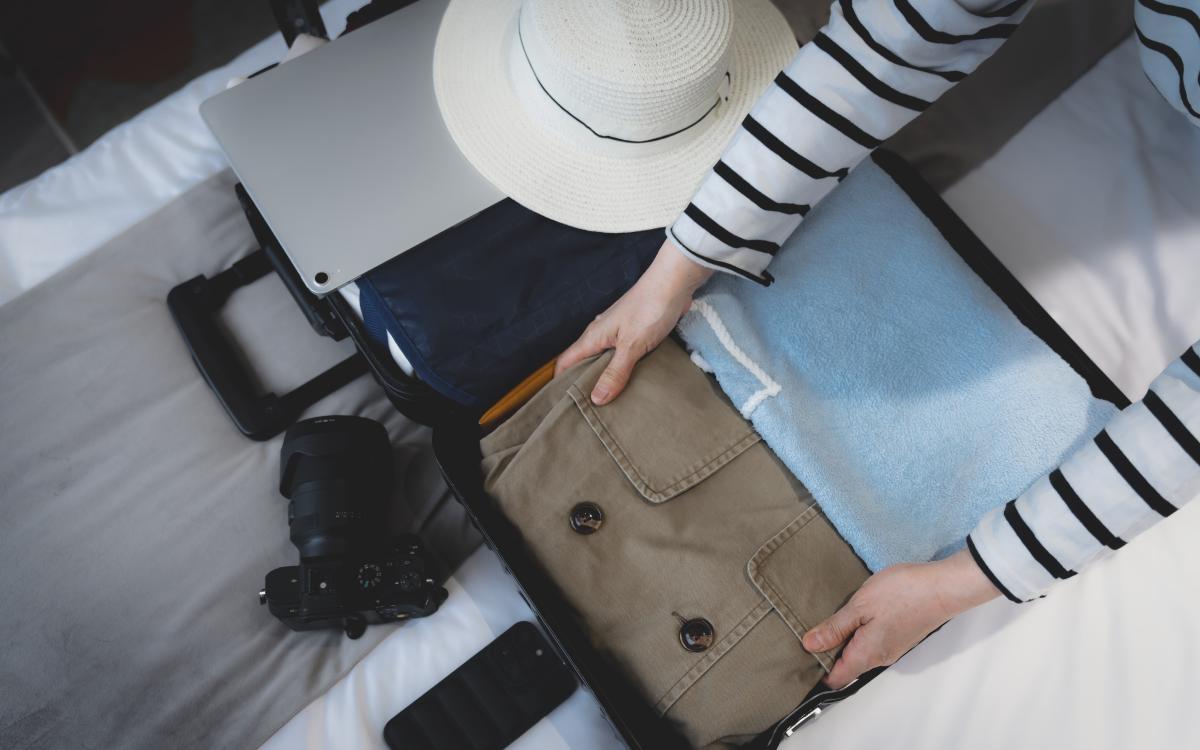
6 tips to pack light for travel
Packing light is a skill that makes travel more efficient and enjoyable. Carrying fewer items reduces physical strain, saves time at airports, and allows travelers to move freely. While it may seem challenging at first, packing light is achievable with the right approach and mindset. With planning well, building a capsule wardrobe, and packing mindfully, travelers can reduce luggage without sacrificing comfort or style. Over time, packing light becomes second nature, making travel a rewarding experience.
Start with a clear plan
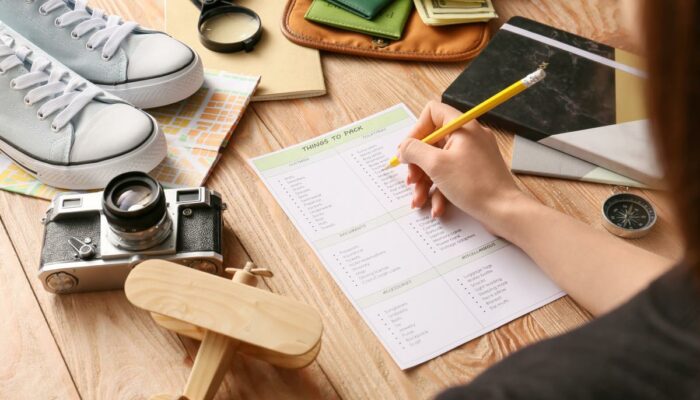
Proper planning can make traveling light easier. Those planning vacations can greatly benefit from taking the time to research their destination. They should look into the local climate and customs, and consider the length of stay before starting to pack. Knowing the kind of weather to expect can help them avoid packing extra layers or unnecessary clothing. They should also consider the itinerary and daily activities. Additionally, creating a simple packing list that focuses on essentials can help.
Choose the right bag
The size of the chosen luggage bag is another factor to consider. Doing so determines whether an individual packs or overpacks for their travel. If it is just a short trip, individuals can consider opting for a carry-on or a similarly sized suitcase. Going with a smaller backpack or suitcase naturally limits the number of items to pack and helps prevent heavier bags. Selecting a lightweight bag with multiple compartments also means individuals can stay organized. Plus, efficient packing discourages individuals to pack extra items for ‘what if’ scenarios.
Stick to a versatile color palette
Creating or selecting a color palette makes packing for travel easier. It is convenient to pick out clothes to pack, especially if the color palette allows for fewer pieces to be styled as multiple outfits. This approach works especially well for longer trips where repeating outfits is unavoidable. Packing multi-use clothing can help individuals pack light. A lightweight turtleneck can function as both outerwear and a layering piece. Individuals should also pick shoes that are comfortable to walk in and yet look presentable for casual outings, reducing the need for extra footwear.
Limit shoes to the essentials
Shoes take up significant space and add weight to luggage. It is possible to get through most trips with just two pairs. One can be worn during travel, and the other can be packed. Individuals should make sure the worn pair of shoes is comfortable for walking. This is the footwear that they might likely wear when visiting sites and exploring trails. The packed pair, preferably sandals, Mary Janes, or Derby shoes, can be slightly dressier or suited for specific activities. They are also practical options, as they help save space.
Minimize toiletries
Toiletries are often the items that most individuals tend to overpack. This is even though things are easily available at most destinations. To avoid carrying unnecessary and bulky items, individuals can opt for travel-sized containers or refillable bottles for essentials such as shampoo, conditioner, and skincare products.
Liquids can cause spillage, so it is best to look for solid alternatives where possible. Options like soap bars, shampoo bars, and toothpaste tablets are compact and spill-proof.
Be selective with accessories
Accessories can quickly add up to the weight and volume of the luggage. Instead of packing multiple options, travelers can benefit from choosing a few versatile pieces that complement all outfits. They can consider minimal multi-use jewelry that fits different styles and occasions. Packing a single belt and either a hat or a scarf is usually sufficient.
Before closing the bag, they should review every item and ask themselves whether it is truly necessary. They should remove a few items that can significantly reduce weight. A good rule is to pack everything, then remove at least one outfit or non-essential item before departure.