6 benefits of traveling with a first aid kit
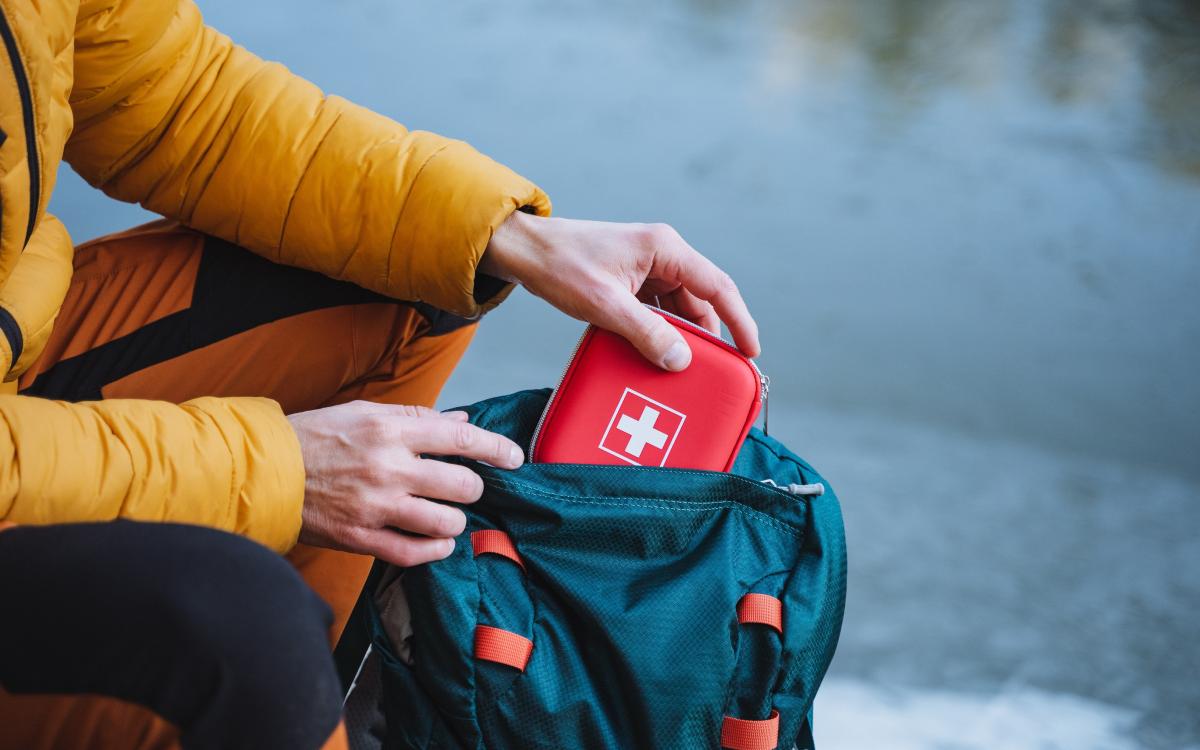
A trip can be an amazing way to relax and make memories. That said, when going on a trip, it is important to prepare for uncertainties. Injuries, illnesses, or health issues can come up at any time, disrupting the journey. Carrying a first aid kit is a small but effective way to prepare for this. With a well-organized, thoughtfully stocked kit, individuals can enjoy their holiday, knowing they can tackle minor health emergencies.
Importance of a first aid kit while traveling
Provides immediate support
When traveling to a new place, individuals may not know where exactly the nearest hospital or clinic is. If they need immediate assistance in such a situation, a first aid kit can be useful. Individuals can use the supplies in the kit for temporary relief from cuts, headaches, blisters, burns, or stomach discomfort until they find professional assistance in the holiday destination.
Reduces dependence on local facilities
Deserts, islands, forests, and other remote areas generally lack easy access to clinics, doctors, and wellness centers. Finding help in such regions can seem impossible, especially late at night. Moreover, in some places, a language barrier can make communication with the pharmacist or doctor difficult. Having a first-aid kit on hand can reduce reliance on local services and help individuals treat minor concerns on their own.
Helps handle travel-related health issues
Travel can mean long journeys, changes in eating habits, altered climate, and physical exertion. All of this can lead to health concerns, including allergies, muscle pain, dehydration, digestive issues, or motion sickness. A well-stocked first aid kit can help manage these common discomforts.
Ensures safety during outdoor and adventure travel
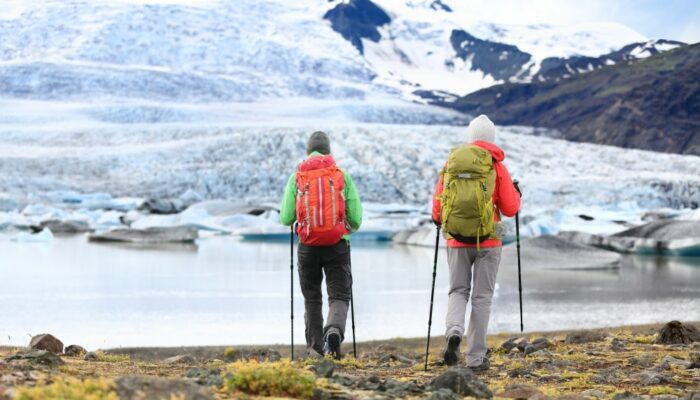
Outdoor activities, such as camping, trekking, hiking, biking, and skiing, can be fun. However, they put individuals at risk of injuries, such as sprains and scrapes, and insect bites. While these issues might seem minor, treating them immediately is important to prevent infections and control the pain. Individuals can use a first aid kit to handle the situation initially and then seek professional assistance as soon as it is available.
Gives peace of mind
Traveling can be stressful for seniors and those with children. Seniors may struggle adjusting to places with extreme temperatures. They may also need to monitor their health closely, especially if they have pre-existing conditions and are traveling alone. Children, on the other hand, are prone to tummy bugs and minor temperature spikes due to changes in food and schedule. Having a first aid kit can help treat minor health issues in such situations, providing peace of mind to seniors and parents.
Saves time and money
Seeking professional assistance for minor issues can be time-consuming and expensive, especially when traveling abroad. That’s why carrying a first aid kit for international travel is a good idea. It allows individuals to continue their journey with minimal interruption to their itinerary, saving both time and money.
Tips for assembling a first aid kit
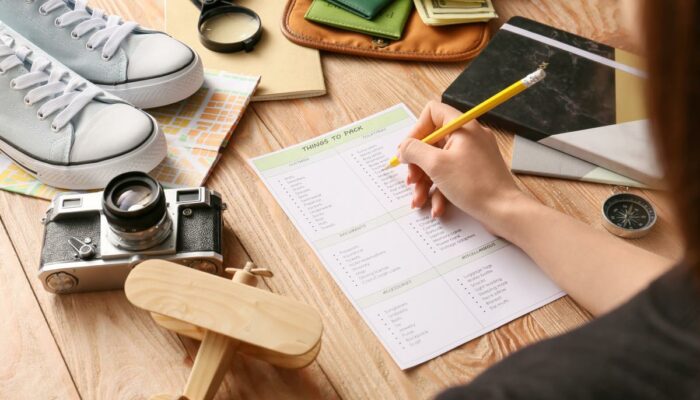
- List all the first aid kit essentials needed for the journey, and stock up well in advance. A basic travel first aid kit typically includes adhesive bandages, pain relief, fever reducers, allergy relief, motion sickness remedies, digestive aids, and personal prescriptions. It may also include scissors, tweezers, thermometer strips, and disposable gloves.
- Customize the kit based on the travel destination. When planning a trip to tropical regions, pack insect repellent and anti-itch creams. Similarly, prioritize skin protection and muscle-relief products when heading to colder destinations.
- When traveling with pre-existing conditions, carry a personalized first aid kit that includes prescribed treatments, backup supplies, and basic medical supplies as recommended by the care provider.